
- Korean Literature Meets World Literature (3)
- 보편성과 특수성의 교차
- The Intersection of Universality and Particularity
한국 문학이 세계 문학의 무대에서 주목받는 이유는 단순히 ‘새롭다’는 호기심 때문만은 아니다. 그 핵심에는 보편성과 특수성의 교차라는 힘이 있다.
작가 한강의 작품은 이를 잘 보여준다. 《소년이 온다》는 광주 민주화운동이라는 한국 현대사의 비극을 다루지만, 그 속에서 폭력, 상처, 인간 존엄이라는 보편적 질문을 던진다.
KBS는 한강의 노벨문학상 수상을 두고 “보편성과 특수성 두 마리 토끼를 모두 잡았다”고 평가했다. 역사적 배경은 한국적이지만, 인간의 고통과 연대라는 주제는 국경을 넘어선다.
신경숙의 《엄마를 부탁해》 역시 마찬가지다. 한국적 가족사와 전통적 모성의 이야기를 담고 있지만, ‘엄마’라는 존재가 지닌 보편적 감수성은 세계 독자들의 마음을 울렸다. 이 작품이 37개국에서 번역·출간되며 베스트셀러가 된 이유도 여기에 있다.
정보라의 《저주토끼》는 한국 설화와 공포·SF 장르를 결합해 세계 독자에게 신선한 충격을 주었다. 토끼, 저주, 귀신 같은 한국적 모티프는 낯설지만, 인간의 욕망과 두려움이라는 보편적 감정은 누구나 공감할 수 있다. 문학평론가들은 한국 문학의 힘을 “지역적 특수성을 발판 삼아 보편적 질문을 던지는 능력”이라고 말한다. 한국의 식민지 경험, 전쟁과 분단, 민주화 운동 같은 역사적 특수성은 세계 문학 속에서 독창적인 목소리를 만들어냈다. 동시에 그 목소리는 인간의 존엄, 자유, 사랑, 상실 같은 보편적 주제를 울림 있게 전한다.
오늘날 세계 문학은 더 이상 서구 중심의 단일한 흐름이 아니다. 제3세계 문학, 여성 문학, 디아스포라 문학이 함께 어우러지며 다성적 합창을 이루고 있다. 한국 문학은 바로 이 다성적 무대에서, 특수성과 보편성을 동시에 품은 목소리로 존재감을 드러내고 있다.
KBS 뉴스 – 노벨문학상이 주목한 한강의 보편성과 특수성 네이버 블로그 – 한국 문학의 보편성과 특수성
Korean Literature Meets World Literature (3)
The Intersection of Universality and Particularity
The growing global attention to Korean literature is not simply a matter of novelty. At its heart lies the powerful intersection between the universal and the particular.
The works of author Han Kang exemplify this dynamic. Human Acts deals with the tragedy of the Gwangju Democratization Movement, a uniquely Korean historical event. Yet within that history, it asks universal questions about violence, suffering, and human dignity. As KBS observed when reporting on Han Kang’s Nobel Prize, she “captured both universality and particularity.” The historical backdrop is unmistakably Korean, but the themes of human pain and solidarity transcend borders.
Similarly, Shin Kyung-sook’s Please Look After Mom tells the story of a Korean family and the traditional image of motherhood. Yet the emotional resonance of a mother’s love is deeply universal, touching readers across cultures. The novel’s success—translated and published in 37 countries and becoming an international bestseller—attests to this shared human sentiment.
Bora Chung’s Cursed Bunny also bridges the local and the global. Blending Korean folktales with elements of horror and science fiction, it offers world readers something startlingly new. Motifs such as rabbits, curses, and ghosts may be culturally specific, yet the underlying emotions of desire and fear are ones that all humans recognize.
Literary critics often describe the strength of Korean literature as its ability to use regional particularity as a springboard for universal inquiry. Korea’s experiences of colonization, war, division, and democratization have given rise to a distinctive voice—one that speaks powerfully to the universal human themes of dignity, freedom, love, and loss.
Today, world literature is no longer a monologue centered on the West. It has become a polyphonic chorus, where postcolonial, feminist, and diaspora voices coexist and converse. In this diverse landscape, Korean literature stands out as a voice that embraces both the particular and the universal—resonating deeply in the grand harmony of world literature.
(Reference: KBS News – “Han Kang’s Universality and Particularity Recognized by the Nobel Prize” / Naver Blog – “The Universality and Particularity of Korean Literature”)
BEST 뉴스
-

[지형덕칼럼] 동해 AI데이터센터, 규모보다 수요와 효율을 증명해야 한다
AI 연산 효율을 높이는 기술 등장…동해시와 GS는 단계별 수요·전력 사용·지역 혜택을 함께 설명해야 한다 Emerging technologies aim to improve AI computing efficiency. Donghae and GS should explain phased demand, power requirements and tangible local benefits. AI데이터센터의 경쟁력을 설명할 때... -

[지형덕칼럼] 동해시장, AI데이터센터의 ‘규모’보다 ‘실익’을 증명하라
GS의 냉각기술 개발과 도의회의 상생 요구가 던지는 질문…전력·물·고용·지역기업 참여를 검증 가능한 계획으로 제시해야 한다 GS’s cooling technology initiative and provincial calls for community benefits demand verifiable plans for power, water, employment and local business participation. 동... -

동해 AI데이터센터, 전기는 어디서 오나…화력발전 연계 계획 설명 필요
동해 AI데이터센터 캠퍼스의 전력공급과 관련해 화력발전소 연계 계획의 구체적인 내용과 지역 환경에 미칠 영향을 설명할 필요가 제기된다. 대규모 전력 확보 여부와 함께 어떤 발전원에서 전기를 조달하고, 기존 발전소 운영에 어떤 변화가 생기는지 시민이 확인할 수 있어야 한다는 취... -

[기자의눈]동해 AI데이터센터, 시민의 알권리에서 상생을 시작하자
전력·물·생활환경과 지역 일자리에 대한 충분한 설명이 신뢰의 출발점…동해시와 GS가 사업 초기부터 공개하고 소통하는 체계를 마련해야 Clear information on power, water, living conditions and local jobs is essential to trust. Donghae and GS should establish transparent communication from the outs... -

동해 AI데이터센터, 주민의 ‘열섬·농작물 피해’ 우려에 자료로 답해야
시사K뉴스|지형덕 기자 동해 AI데이터센터 주변 주민들이 걱정하는 문제 가운데 하나는 열이다. 기존 산업시설이 들어선 지역에 대규모 데이터센터까지 가동되면 여름철 생활환경과 인근 농작물에 부담이 더해지는 것 아니냐는 우려다. 주민설명회에서는 인근 포도농원의 피해를 호소하며 데이터센터 조성 이후 ... -

[지형덕칼럼] 강릉 AIDC 논란의 교훈…동해시장, 상생에도 ‘패스트트랙’을 적용하라
지형덕|시사K뉴스 강릉 AI데이터센터 유치를 둘러싼 정치 공방이 거세지고 있다. 그러나 시민이 확인해야 할 핵심은 정당 간 비난의 강도보다 사업의 실제 준비 수준이다. 무엇이 확정됐고 무엇이 협의 중인지, 전력과 부지 등 필수 조건은 어느 단계까지 확보됐는지부터 분명히 해야 한다. 국민의힘 강원지역 국...
전체댓글 0
실시간뉴스
추천뉴스



포토뉴스
more +-
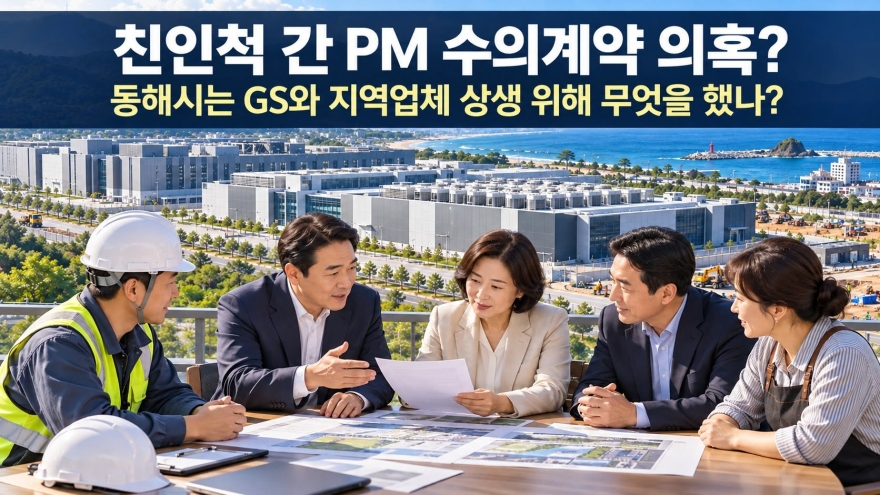
동해 AIDC 지역상생, 특정 업체 추천보다 ‘만남의 장’이 먼저다
요약 | 동해 AI 데이터센터 사업과 관련해 지역업체들이 원하는 것은 특정 업체의 수주 보장이 아니다. 시장이 GS와 지역의 자격 있는 업체 사이에 만남과 정보 공유의 기회를 마련해, 공정한 참여 가능성을 찾도록 돕는 일이다. 관련 계약이 이미 마무리됐다는 제보가 나온 가운데, 착공을 앞두고 동해시는 법정 제... -
동해시 묵호동·시흥시 배곧1동, 주민자치 교류 ‘맞손’
동해시 묵호동이 시흥시 배곧1동 주민자치회와 주민자치 교류 활성화를 위한 자매결연 협약을 체결했다. 사진/묵호동제공 최근 묵호동 행정복지센터에서 열린 협약식에는 양 지역 주민자치 조직과 동장 등 관계자 30여 명이 참석해 뜻깊은 자리를 가졌다. 이번 협약을 통해 양 단체는 ▲지역 대표 축... -
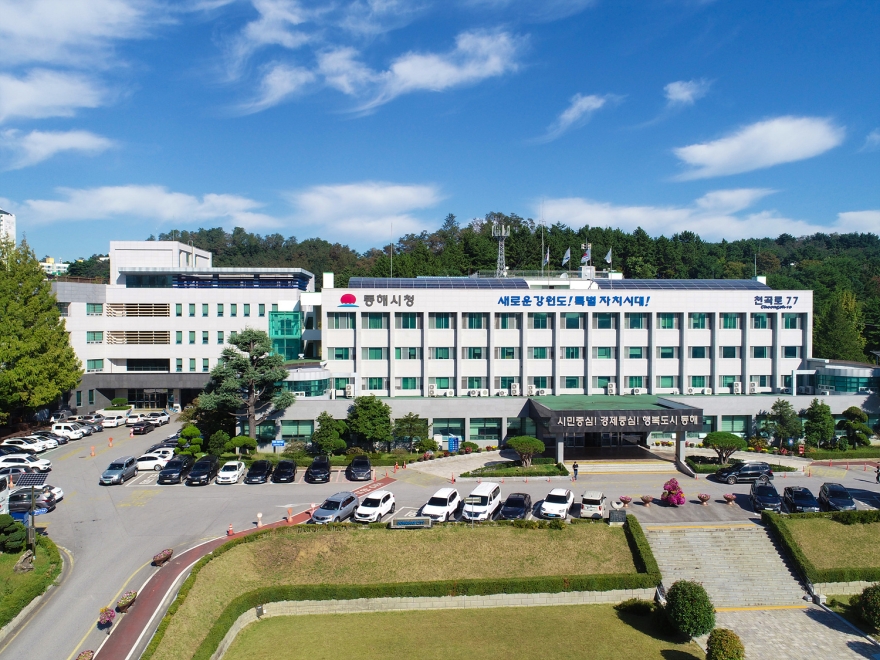
동해시, 2027년 제21기 청소년참여위원회 신규 위원 모집
동해시는 오는 11월 4일부터 20일까지 ‘2027년 제21기 동해시청소년참여위원회’에서 활동할 신규 위원을 모집한다. 「청소년 기본법」에 근거해 운영되는 청소년참여위원회는 청소년들이 지역 정책 수립과 의사결정 과정에 주도적으로 참여해 다양한 의견을 제안하고 자문하는 청소년 참여기구다. 특히 2027년에는 ... -
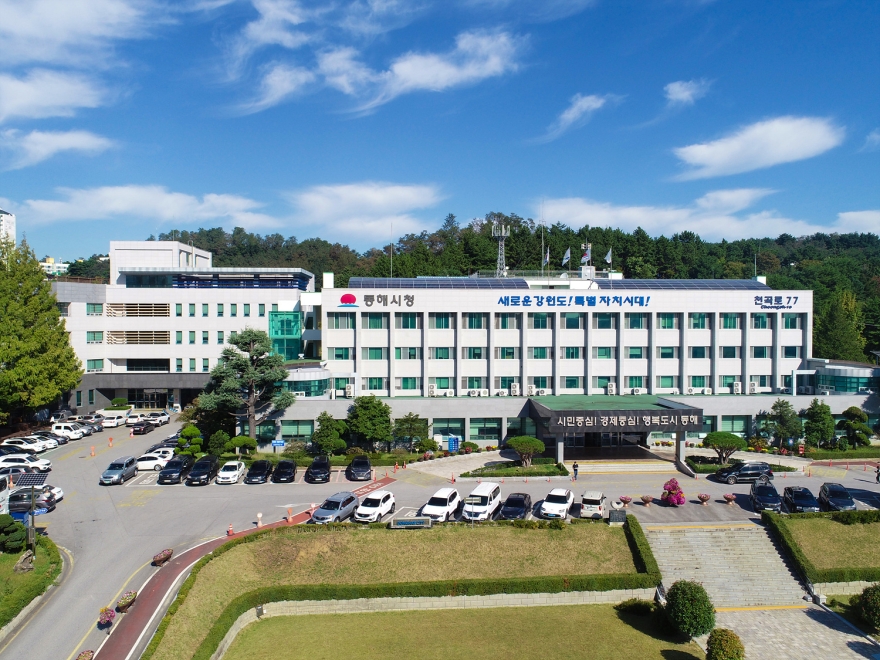
동해시, 고병원성 AI 등 가축전염병 차단 ‘생석회’ 지원 11월 10일까지 신청 접수
동해시가 겨울철 고병원성 조류인플루엔자(AI) 등 가축전염병 유입을 선제적으로 차단하기 위해 ‘방역용 생석회 지원 사업’을 추진하고, 오는 11월 10일까지 신청을 받는다. 최근 주변국에서 고병원성 AI 항원이 검출되고 겨울철새가 도래함에 따라 국내 발생 위험이 커짐에 따라, 시는 축산농가의 철저한 차단 방역을...