
- “전기부터 줄이자”는 선언…그러나 구조는 그대로인가
- “Save Electricity First”…But Is the Structure Unchanged?
강원특별자치도교육청이 에너지 위기를 이유로 고강도 절감 대책을 내놓았다. 차량 5부제 확대, 청사 소등, 냉난방 온도 제한, 그리고 ‘비워 캠페인’까지. 표면적으로 보면 공공기관이 먼저 허리띠를 졸라매겠다는 선언이다.
The Gangwon State Office of Education has rolled out high-intensity energy-saving measures in response to the energy crisis—expanding the vehicle restriction system, turning off lights, tightening heating and cooling standards, and launching an “Empty Campaign.” On the surface, this appears to be a declaration that public institutions will tighten their belts first.
그러나 질문은 여기서 시작된다. 이 조치는 과연 ‘위기 대응’인가, 아니면 ‘보여주기식 절약’인가.
But the real question begins here: Is this truly a response to a crisis, or merely symbolic austerity?
불을 끄는 것보다, 구조를 바꾸는 것이 먼저다
Turning Off Lights Is Not Enough—Structural Reform Must Come First
조명 소등, 냉난방 제한, 차량 통제는 즉각적인 효과는 있다. 그러나 이는 어디까지나 ‘단기 처방’에 불과하다. 에너지 위기의 본질은 소비 습관이 아니라 구조적 시스템에 있다.
Turning off lights, limiting heating and cooling, and restricting vehicles may yield immediate effects. However, these are merely short-term remedies. The essence of the energy crisis lies not in consumption habits, but in structural systems.
학교 건물의 단열 상태는 어떤가. 노후 설비는 얼마나 개선되었는가. 태양광이나 에너지 자립형 캠퍼스 전환은 어디까지 왔는가. 이러한 질문 없이 ‘절약’만 강조하는 정책은 결국 피로감만 남긴다.
What about the insulation of school buildings? How much have outdated facilities been improved? How far have we progressed toward solar energy or energy-independent campuses? Without addressing these questions, a policy focused solely on “saving” will only result in fatigue.
교직원과 학생에게 떠넘겨진 책임
Responsibility Shifted to Teachers and Students
이번 대책은 ‘함께 참여’라는 이름 아래 교직원과 학생의 실천을 강조한다. 이메일을 지우고, 파일을 정리하고, 출력물을 줄이라는 지침까지 내려왔다.
The policy emphasizes participation by teachers and students under the banner of “collective action.” Instructions include deleting emails, organizing files, and reducing printed materials.
물론 필요하다. 그러나 문제는 방향이다. 에너지 위기의 책임이 개인의 생활 습관으로 축소되는 순간, 정책은 본질을 벗어난다.
These actions are necessary—but the issue lies in direction. The moment responsibility for the energy crisis is reduced to individual habits, the policy loses its essence.
공공기관은 ‘관리자’이지 ‘전가자’가 아니다. 책임은 위에서 아래로 내려오는 것이 아니라, 위에서 먼저 해결해야 한다.
Public institutions are meant to be managers, not distributors of burden. Responsibility should not flow downward—it must be addressed from the top.
상징이 아닌, 시스템으로 답하라
Move Beyond Symbolism—Answer with Systems
지금 필요한 것은 ‘절전 캠페인’이 아니라 ‘에너지 전환 전략’이다.
What is needed now is not a campaign, but a comprehensive energy transition strategy.
학교 단위의 에너지 데이터 공개, 스마트 전력관리 시스템 도입, 친환경 설비 투자 확대, 그리고 지역 단위 에너지 자립 모델 구축. 이것이 진짜 정책이다.
This means publishing energy data at the school level, introducing smart power management systems, expanding eco-friendly infrastructure investments, and building regional energy self-sufficiency models. That is real policy.
지금처럼 ‘불을 끄자’는 메시지는 쉽지만, 오래가지 않는다.
Messages like “turn off the lights” are easy—but they do not last.
위기는 기회다…그러나 준비된 자에게만
Crisis Is an Opportunity—But Only for the Prepared
에너지 위기는 단순한 절약의 문제가 아니다. 산업, 교육, 기술이 결합된 구조적 전환의 신호다.
The energy crisis is not merely about conservation—it is a signal for structural transformation involving industry, education, and technology.
강원교육청의 이번 조치가 진정한 변화의 출발점이 되기 위해서는 ‘불편 감수’에서 멈추지 말고 ‘체질 개선’으로 나아가야 한다.
For this initiative to become a true starting point for change, it must go beyond temporary inconvenience and move toward systemic transformation.
지금 필요한 것은 ‘얼마나 아꼈는가’가 아니라,
‘어떻게 바꿨는가’다.
What matters now is not “how much was saved,”
but “how fundamentally things were changed.”
- 보여주기정책논란
- PolicyOverSubstance
- 에너지구조개혁
- EnergySystemReform
- 책임전가비판
- BlameShifting
- 절전아닌전환
- BeyondEnergySaving
- 시사k뉴스
BEST 뉴스
-

[지형덕칼럼] 동해 AI데이터센터, 규모보다 수요와 효율을 증명해야 한다
AI 연산 효율을 높이는 기술 등장…동해시와 GS는 단계별 수요·전력 사용·지역 혜택을 함께 설명해야 한다 Emerging technologies aim to improve AI computing efficiency. Donghae and GS should explain phased demand, power requirements and tangible local benefits. AI데이터센터의 경쟁력을 설명할 때... -

[지형덕칼럼] 동해시장, AI데이터센터의 ‘규모’보다 ‘실익’을 증명하라
GS의 냉각기술 개발과 도의회의 상생 요구가 던지는 질문…전력·물·고용·지역기업 참여를 검증 가능한 계획으로 제시해야 한다 GS’s cooling technology initiative and provincial calls for community benefits demand verifiable plans for power, water, employment and local business participation. 동... -

동해 AI데이터센터, 전기는 어디서 오나…화력발전 연계 계획 설명 필요
동해 AI데이터센터 캠퍼스의 전력공급과 관련해 화력발전소 연계 계획의 구체적인 내용과 지역 환경에 미칠 영향을 설명할 필요가 제기된다. 대규모 전력 확보 여부와 함께 어떤 발전원에서 전기를 조달하고, 기존 발전소 운영에 어떤 변화가 생기는지 시민이 확인할 수 있어야 한다는 취... -

[기자의눈]동해 AI데이터센터, 시민의 알권리에서 상생을 시작하자
전력·물·생활환경과 지역 일자리에 대한 충분한 설명이 신뢰의 출발점…동해시와 GS가 사업 초기부터 공개하고 소통하는 체계를 마련해야 Clear information on power, water, living conditions and local jobs is essential to trust. Donghae and GS should establish transparent communication from the outs... -

동해 AI데이터센터, 주민의 ‘열섬·농작물 피해’ 우려에 자료로 답해야
시사K뉴스|지형덕 기자 동해 AI데이터센터 주변 주민들이 걱정하는 문제 가운데 하나는 열이다. 기존 산업시설이 들어선 지역에 대규모 데이터센터까지 가동되면 여름철 생활환경과 인근 농작물에 부담이 더해지는 것 아니냐는 우려다. 주민설명회에서는 인근 포도농원의 피해를 호소하며 데이터센터 조성 이후 ... -

[지형덕칼럼] 강릉 AIDC 논란의 교훈…동해시장, 상생에도 ‘패스트트랙’을 적용하라
지형덕|시사K뉴스 강릉 AI데이터센터 유치를 둘러싼 정치 공방이 거세지고 있다. 그러나 시민이 확인해야 할 핵심은 정당 간 비난의 강도보다 사업의 실제 준비 수준이다. 무엇이 확정됐고 무엇이 협의 중인지, 전력과 부지 등 필수 조건은 어느 단계까지 확보됐는지부터 분명히 해야 한다. 국민의힘 강원지역 국...
전체댓글 0
실시간뉴스




추천뉴스



포토뉴스
more +-
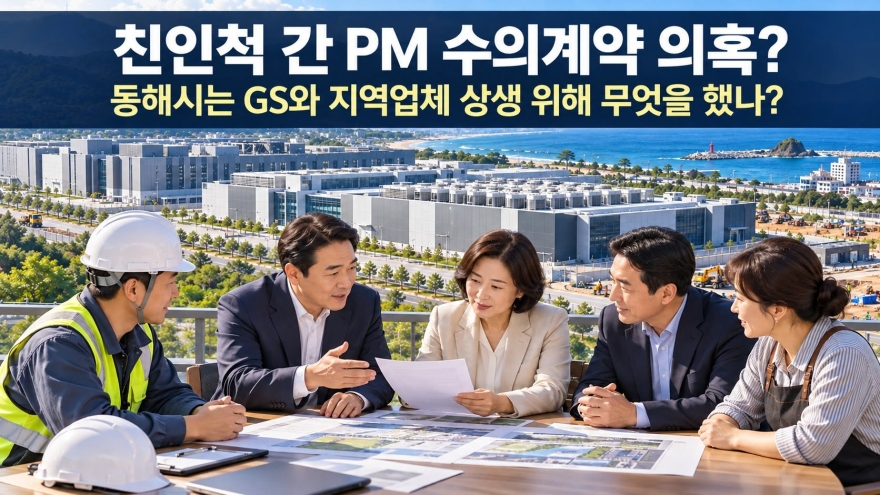
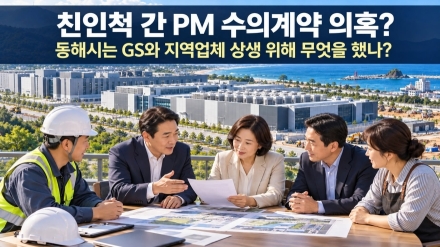
동해 AIDC 지역상생, 특정 업체 추천보다 ‘만남의 장’이 먼저다
요약 | 동해 AI 데이터센터 사업과 관련해 지역업체들이 원하는 것은 특정 업체의 수주 보장이 아니다. 시장이 GS와 지역의 자격 있는 업체 사이에 만남과 정보 공유의 기회를 마련해, 공정한 참여 가능성을 찾도록 돕는 일이다. 관련 계약이 이미 마무리됐다는 제보가 나온 가운데, 착공을 앞두고 동해시는 법정 제... -
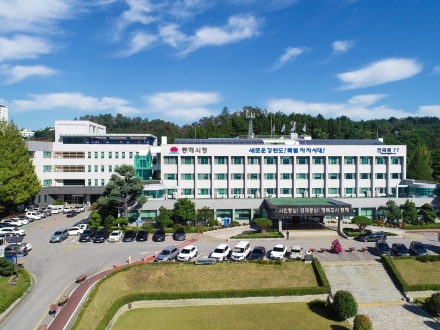
동해시 묵호동·시흥시 배곧1동, 주민자치 교류 ‘맞손’
동해시 묵호동이 시흥시 배곧1동 주민자치회와 주민자치 교류 활성화를 위한 자매결연 협약을 체결했다. 사진/묵호동제공 최근 묵호동 행정복지센터에서 열린 협약식에는 양 지역 주민자치 조직과 동장 등 관계자 30여 명이 참석해 뜻깊은 자리를 가졌다. 이번 협약을 통해 양 단체는 ▲지역 대표 축... -
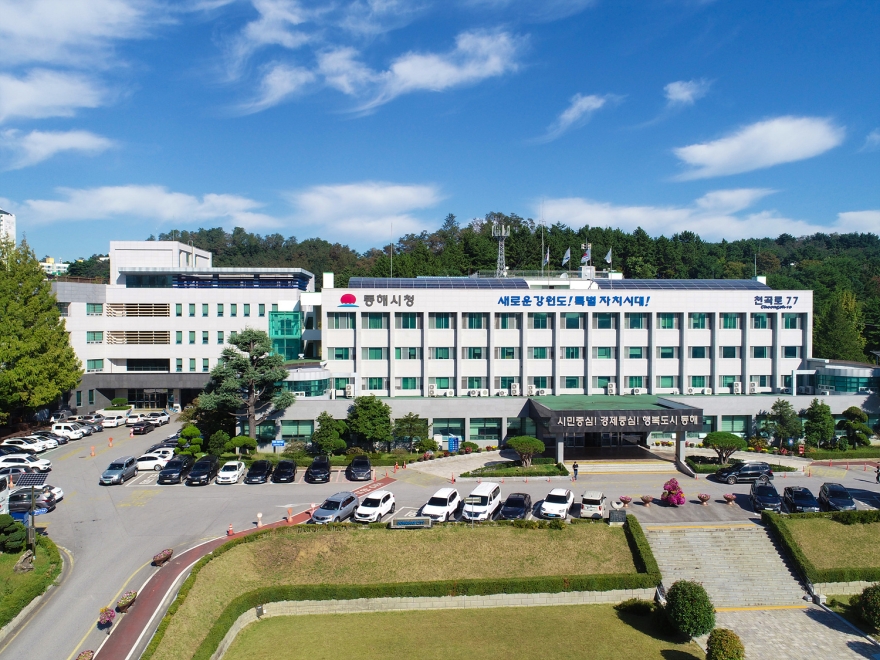
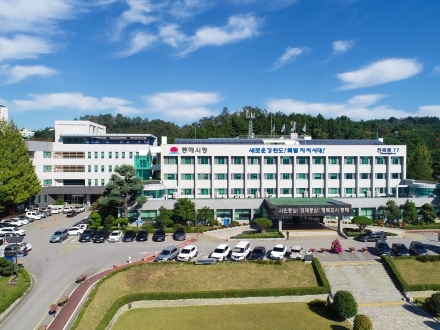
동해시, 2027년 제21기 청소년참여위원회 신규 위원 모집
동해시는 오는 11월 4일부터 20일까지 ‘2027년 제21기 동해시청소년참여위원회’에서 활동할 신규 위원을 모집한다. 「청소년 기본법」에 근거해 운영되는 청소년참여위원회는 청소년들이 지역 정책 수립과 의사결정 과정에 주도적으로 참여해 다양한 의견을 제안하고 자문하는 청소년 참여기구다. 특히 2027년에는 ... -
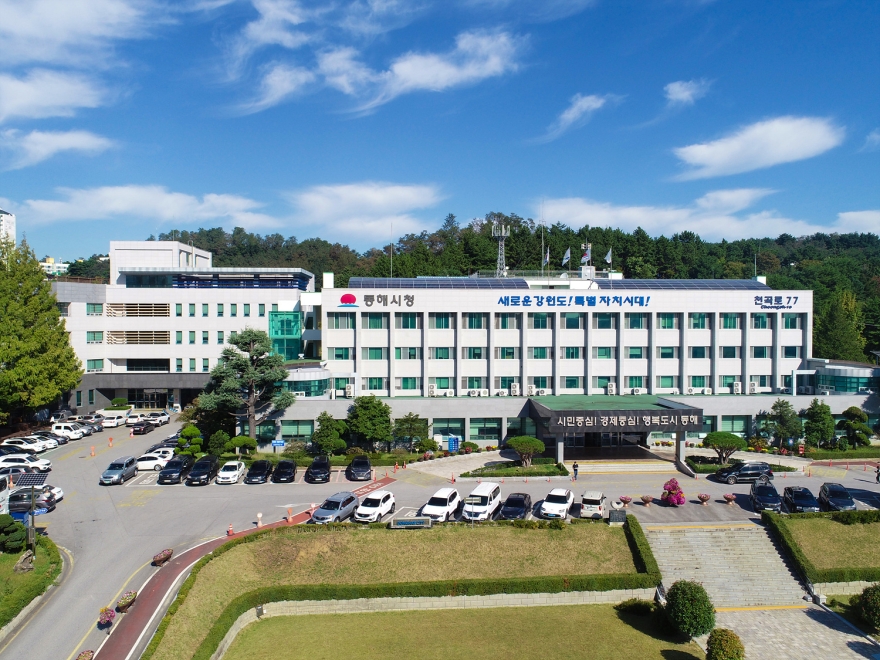
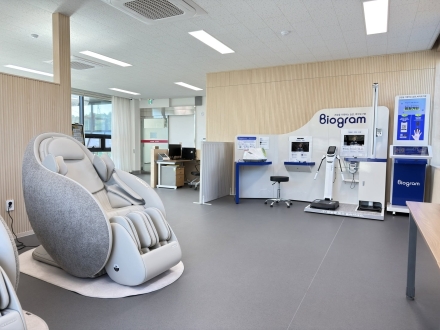
동해시, 고병원성 AI 등 가축전염병 차단 ‘생석회’ 지원 11월 10일까지 신청 접수
동해시가 겨울철 고병원성 조류인플루엔자(AI) 등 가축전염병 유입을 선제적으로 차단하기 위해 ‘방역용 생석회 지원 사업’을 추진하고, 오는 11월 10일까지 신청을 받는다. 최근 주변국에서 고병원성 AI 항원이 검출되고 겨울철새가 도래함에 따라 국내 발생 위험이 커짐에 따라, 시는 축산농가의 철저한 차단 방역을...