
- Elon Musk and Tesla’s Position
Trump's Potential Second Term and EV Subsidy Cuts: What It Means for Global Automakers
시사k뉴스 지형덕 기자
2024.11.16
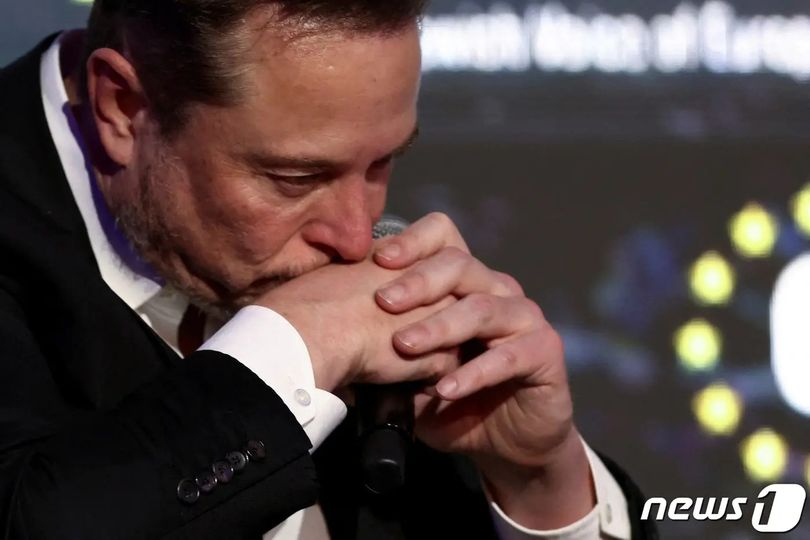
If former President Donald Trump secures a second term, significant changes to electric vehicle (EV) subsidy policies in the United States could be on the horizon. According to a recent Reuters report, Trump's team is considering the elimination of tax credits for EV purchases. This potential policy shift has already raised concerns among global automakers, including South Korean manufacturers such as Hyundai and Kia.
Trump’s EV Policy Direction
Consideration of Tax Credit Elimination
Trump is widely expected to reverse many of President Joe Biden's green policies, including EV-related subsidies. The removal of EV tax credits would increase the financial burden on consumers and potentially reduce demand for EVs. For automakers heavily invested in the U.S. EV market, this could spell significant challenges.
Impact on the EV Market
While major U.S.-based companies like Tesla are expected to feel the impact, their strong brand presence and market dominance could help them weather the storm better than smaller, emerging EV startups. However, the overall growth of the EV market in the U.S. could slow, affecting innovation and adoption rates.
Elon Musk and Tesla’s Position
Tesla, which has maintained significant market share even without heavy reliance on subsidies, has remained silent on the matter, with representatives offering "no comment." However, Tesla may be better positioned than many competitors due to its long-term cost-reduction strategies and global market expansion.
Cost Efficiency: Tesla has consistently worked to lower production costs, potentially mitigating the effects of subsidy elimination.
Global Expansion: The company is likely to focus on increasing sales in markets outside the U.S., alongside strengthening production capacity abroad.
Implications for Chinese and Korean Automakers
Chinese Companies
Chinese automakers investing in the U.S. may attempt to enhance localization strategies through expanded production facilities. However, a Trump administration is likely to maintain a tough stance on Chinese investments, presenting additional hurdles.
Korean Companies
Hyundai and Kia, currently building EV plants in Georgia, will need to reassess their strategies if subsidies are eliminated. Increasing local production and ensuring competitive pricing for EVs in the U.S. market will be critical.
Future Outlook
-
Policy Uncertainty
Trump’s proposed policy changes will require congressional approval, and even within the Republican Party, there are voices advocating for continued support of green technologies. The final decision remains uncertain. -
Market Adaptation
Should subsidies be eliminated, automakers will likely focus on advancing battery technology and reducing production costs to maintain competitiveness. The market may also shift to prioritize innovation and affordability.
Conclusion
The potential elimination of EV tax credits under a Trump administration could reshape the global EV market. South Korean automakers, along with others, must focus on expanding local production in the U.S., optimizing pricing strategies, and advancing technological innovations to adapt to this potential policy shift. The coming years will be pivotal in determining how automakers navigate these challenges and seize new opportunities in a changing landscape.
전체댓글 0
실시간뉴스


추천뉴스



포토뉴스
more +-
동해 AIDC 지역상생, 특정 업체 추천보다 ‘만남의 장’이 먼저다
요약 | 동해 AI 데이터센터 사업과 관련해 지역업체들이 원하는 것은 특정 업체의 수주 보장이 아니다. 시장이 GS와 지역의 자격 있는 업체 사이에 만남과 정보 공유의 기회를 마련해, 공정한 참여 가능성을 찾도록 돕는 일이다. 관련 계약이 이미 마무리됐다는 제보가 나온 가운데, 착공을 앞두고 동해시는 법정 제... -
동해시 묵호동·시흥시 배곧1동, 주민자치 교류 ‘맞손’
동해시 묵호동이 시흥시 배곧1동 주민자치회와 주민자치 교류 활성화를 위한 자매결연 협약을 체결했다. 사진/묵호동제공 최근 묵호동 행정복지센터에서 열린 협약식에는 양 지역 주민자치 조직과 동장 등 관계자 30여 명이 참석해 뜻깊은 자리를 가졌다. 이번 협약을 통해 양 단체는 ▲지역 대표 축... -
동해시, 2027년 제21기 청소년참여위원회 신규 위원 모집
동해시는 오는 11월 4일부터 20일까지 ‘2027년 제21기 동해시청소년참여위원회’에서 활동할 신규 위원을 모집한다. 「청소년 기본법」에 근거해 운영되는 청소년참여위원회는 청소년들이 지역 정책 수립과 의사결정 과정에 주도적으로 참여해 다양한 의견을 제안하고 자문하는 청소년 참여기구다. 특히 2027년에는 ... -
동해시, 고병원성 AI 등 가축전염병 차단 ‘생석회’ 지원 11월 10일까지 신청 접수
동해시가 겨울철 고병원성 조류인플루엔자(AI) 등 가축전염병 유입을 선제적으로 차단하기 위해 ‘방역용 생석회 지원 사업’을 추진하고, 오는 11월 10일까지 신청을 받는다. 최근 주변국에서 고병원성 AI 항원이 검출되고 겨울철새가 도래함에 따라 국내 발생 위험이 커짐에 따라, 시는 축산농가의 철저한 차단 방역을...