
- K팝은 왜 아직도 ‘아시아 음악’이어야 하는가?
- Cultural Walk | The Question BTS Has Put to the Grammys
- Why Must K-pop Still Be Classified as “Asian Music”?
사진/SNS캡쳐
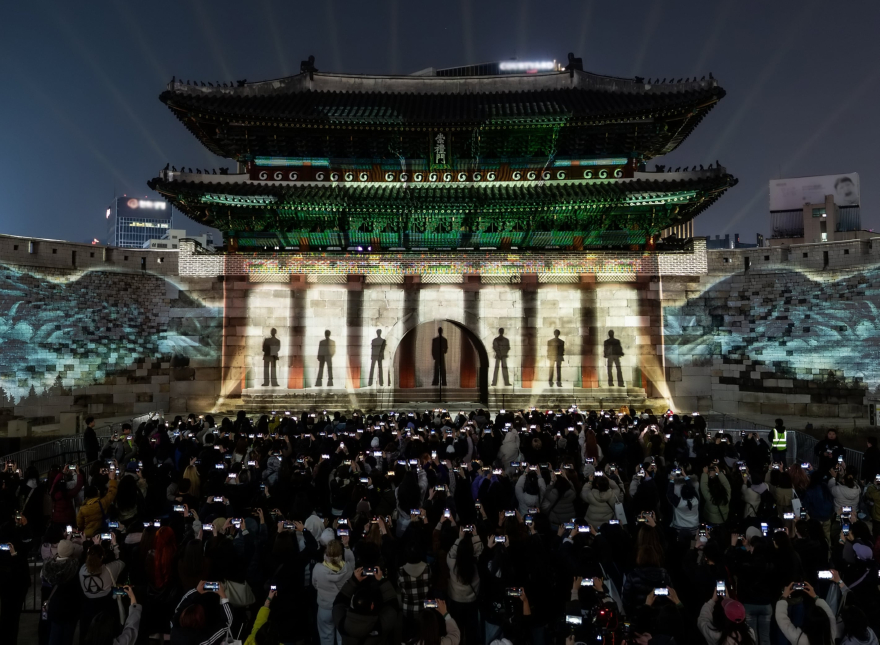
세계 대중음악계에 꽤 의미 있는 질문 하나가 던져졌다. 질문을 던진 주인공은 BTS이고, 그 질문을 받아든 곳은 세계 대중음악계 최고의 권위를 자랑하는 그래미 어워즈다. 표면적으로는 그래미의 새로운 ‘Best Asian Pop Music Performance’ 부문을 둘러싼 논란이지만, 그 안을 들여다보면 훨씬 근본적인 문제가 자리 잡고 있다. 세계화된 음악을 우리는 여전히 국적과 지역, 언어로 나누어야 하는가?
A significant question has been raised in the world of popular music. BTS stands at the center of that question, and the institution being asked to respond is the Grammy Awards, one of the most influential honors in global music. On the surface, the controversy concerns the newly introduced “Best Asian Pop Music Performance” category. But beneath it lies a much deeper question: Should truly global music still be divided by nationality, geography, and language?
아시아 음악을 위한 새로운 문인가, 또 하나의 울타리인가
A New Door for Asian Music—or Another Fence?
그래미 어워즈를 주관하는 레코딩 아카데미는 제69회 그래미를 앞두고 K-pop, J-pop, C-pop 등을 포괄하는 ‘Best Asian Pop Music Performance’ 부문을 신설했다. 아시아 팝의 세계적인 성장과 영향력을 인정하고 더 많은 음악인에게 수상의 기회를 제공한다는 취지였다.
Ahead of the 69th Grammy Awards, the Recording Academy introduced a new category, “Best Asian Pop Music Performance,” designed to encompass K-pop, J-pop, C-pop and other forms of Asian popular music. The stated intention was to recognize the growing global influence of Asian pop and provide greater opportunities for its artists to receive recognition.
그러나 환영만 있었던 것은 아니다. 오히려 역설적인 질문이 등장했다. BTS와 BLACKPINK를 비롯한 K-pop 아티스트들이 이미 미국과 유럽, 남미와 아시아를 넘나들며 세계적인 팝스타들과 같은 차트, 같은 공연장, 같은 스트리밍 시장에서 경쟁하고 있는데 왜 시상식에서는 다시 ‘Asian’이라는 별도의 방으로 들어가야 하느냐는 것이다.
But the announcement was not universally welcomed. Instead, it produced a paradoxical question. Artists such as BTS and BLACKPINK already compete with the world’s biggest pop stars on the same charts, streaming platforms, and concert stages across North America, Europe, Latin America, and Asia. If that is the case, why should they be placed back into a separate room labeled “Asian” when awards are handed out?
이것이 이번 논쟁의 본질이다. 상을 하나 더 만들어주는 것이 과연 포용인가, 아니면 또 다른 방식의 구분인가.
That is the heart of the controversy: Does creating another award truly represent inclusion, or can it become another form of separation?
BTS는 왜 그래미에 음악을 내지 않았나
Why Did BTS Choose Not to Submit Its Music?
논쟁은 BTS의 선택으로 더욱 커졌다. BTS는 제69회 그래미 어워즈에 자신들의 음악을 출품하지 않겠다는 뜻을 밝혔다. 그들이 전달한 메시지는 단순하지만 강력했다.
The debate intensified dramatically with BTS’s decision. The group chose not to submit its music for consideration at the 69th Grammy Awards. The message behind that decision was simple, yet powerful.
“음악이 지역이나 언어로 구분되기보다 음악 그 자체로 들리고 사랑받기를 바란다.”
“We hope music can be heard and loved for the music itself, rather than being divided by region or language.”
이 말은 상당한 상징성을 갖는다. BTS는 그래미와 무관한 변방의 그룹이 아니다. 이미 여러 차례 그래미 후보에 올랐고 세계 음악시장의 중심부에서 활동해 온 아티스트다. 그런 BTS가 “우리에게 상을 달라”고 요구한 것이 아니라 자신들의 음악을 아예 심사 테이블에 올리지 않는 방법을 선택했다.
The symbolism is difficult to ignore. BTS is not an outsider with no history at the Grammys. The group has received multiple Grammy nominations and has operated for years at the center of the global music industry. Yet instead of demanding, “Give us an award,” BTS chose not to place its work on the judging table at all.
그래서 이번 행동은 단순한 시상식 불참보다 훨씬 무겁다.
That makes the decision far more consequential than simply skipping an awards ceremony.
“우리를 위한 상”보다 “같은 기준”을 요구하다
Asking Not for “Our Own Award,” but for the Same Standard
BTS가 던진 메시지를 한 문장으로 압축하면 이렇다.
The message can perhaps be condensed into one sentence:
“우리를 위한 별도의 상을 만들어 달라는 것이 아니라, 우리의 음악을 세계의 음악과 같은 기준으로 평가해 달라.”
“We are not asking you to create a separate award for us. We are asking you to judge our music by the same standards as the rest of the world.”
물론 그래미 측에도 충분한 논리가 있다. 장르별 상을 신설한다고 해서 아시아 아티스트들이 ‘Album of the Year’, ‘Record of the Year’, ‘Song of the Year’ 같은 주요 부문에서 배제되는 것은 아니다. 새로운 부문은 오히려 지금까지 충분히 조명받지 못했던 아시아 음악인들에게 하나의 문을 더 열어주는 장치가 될 수도 있다.
The Grammys also have a legitimate argument. The creation of a genre-specific category does not automatically exclude Asian artists from major honors such as Album of the Year, Record of the Year, or Song of the Year. A dedicated category could instead provide another avenue of recognition for Asian musicians who historically received too little attention.
따라서 ‘Asian Pop’이라는 상이 존재한다는 사실 자체를 차별이라고 단정하는 것은 지나치다. 문제는 아시아라는 거대한 지역을 하나의 음악적 범주로 정의하는 방식이 오늘날 세계 음악시장의 현실과 맞느냐는 데 있다.
It would therefore be simplistic to declare the very existence of an “Asian Pop” award discriminatory. The deeper issue is whether defining the enormous and culturally diverse continent of Asia as a single musical category accurately reflects today’s global music landscape.
K-pop과 J-pop, C-pop은 정말 하나의 음악인가
Are K-pop, J-pop, and C-pop Really One Musical Category?
한국과 일본, 중국은 언어만 다른 것이 아니다. 음악산업의 구조와 제작 시스템, 대중문화의 역사와 미학, 팬덤 문화도 상당히 다르다. 그런데 이를 ‘Asian Pop’이라는 하나의 그릇에 담는 순간 음악적 특성보다 지리적 출신이 앞서는 기묘한 상황이 만들어진다.
Korea, Japan, and China differ in far more than language. Their music industries, production systems, cultural histories, aesthetics, and fan cultures have developed in distinct ways. Placing them all under a single label of “Asian Pop” risks creating a curious situation in which geography becomes more important than musical identity.
미국 가수가 한국어 한두 마디를 사용했다고 ‘Asian Pop’이 되지는 않는다. 그렇다면 한국인이 영어로 부른 세계적인 팝 음악은 언제까지 K-pop이고 Asian Pop이어야 하는가.
An American singer does not automatically become an “Asian Pop” artist by singing a few lines in Korean. So when a Korean artist releases a global pop record in English, how long should that music continue to be classified primarily as K-pop—or Asian Pop?
이 질문에는 아직 명확한 답이 없다.
There is no simple answer yet.
그리고 그래미가 움직이기 시작했다
Then the Grammys Began to Respond
BTS의 출품 거부 이후 상황은 흥미롭게 전개됐다. 레코딩 아카데미의 하비 메이슨 주니어 CEO는 ‘Asian Pop’ 부문을 둘러싼 음악계의 우려를 인식하고 있으며, 일부 아티스트들이 이 카테고리가 자신들이 오랫동안 공들여 만든 음악을 제대로 대변하지 못한다고 느낀다는 사실을 무겁게 받아들이고 있다는 취지의 입장을 내놓았다.
Developments following BTS’s decision have been notable. Recording Academy CEO Harvey Mason Jr. acknowledged concerns surrounding the Asian Pop category, recognizing that some artists feel the category may not adequately represent the music they have spent years creating.
이는 상당히 중요한 변화다. 처음 새로운 상을 발표했을 때의 메시지는 ‘아시아 음악의 성장과 영향력을 인정한다’는 것이었다. 이제 논의의 중심이 ‘그 인정 방식이 음악인들에게 정말 존중으로 받아들여지는가’로 이동하기 시작했다.
This represents an important shift. When the award was first announced, the emphasis was on recognizing the growth and influence of Asian music. The conversation has now moved toward another question: Is the way that recognition is being offered actually experienced by artists as respect?
다만 한 가지는 분명히 해야 한다. 아직 그래미가 BTS의 요구를 받아들여 부문을 폐지하거나 개편하기로 최종 결정한 것은 아니다. 따라서 “BTS가 그래미를 굴복시켰다”는 식의 해석은 현재로서는 지나치다.
One distinction remains essential. The Grammys have not yet made a final decision to abolish or restructure the category in response to BTS. Therefore, claims that “BTS forced the Grammys to surrender” would be premature.
그러나 BTS의 행동이 이미 존재하던 논쟁을 세계적인 이슈로 증폭시킨 강력한 촉매가 되었다는 평가는 가능하다.
It is reasonable, however, to say that BTS became a powerful catalyst that transformed an existing debate into a global issue.
BTS의 진짜 영향력은 음반 판매량 밖에 있다
BTS’s Real Influence Now Extends Beyond Record Sales
이번 사건에서 주목해야 할 것은 BTS의 영향력이 얼마나 커졌느냐는 것이다. 과거 K-pop 아티스트들에게 그래미는 어떻게든 들어가고 싶은 꿈의 무대에 가까웠다.
What deserves particular attention is how the nature of BTS’s influence has changed. For earlier generations of K-pop artists, the Grammys often represented a distant dream—a stage they desperately hoped to enter.
그런데 지금 BTS는 그 문 앞에서 단순히 입장을 기다리는 위치에 있지 않다.
BTS is no longer simply waiting outside that door.
오히려 이렇게 질문할 수 있는 위치에 가까워졌다.
Instead, it is increasingly in a position to ask:
“그 문은 누구에게나 같은 방식으로 열려 있는가?”
“Is that door truly open to everyone under the same rules?”
이 변화가 중요하다.
That change matters.
문화적 영향력이 일정 수준을 넘어서면 아티스트는 더 이상 시상식의 선택만 기다리는 존재가 아니다. 때로는 시상식의 기준과 제도 자체를 질문하는 이해당사자가 된다.
Once an artist’s cultural influence reaches a certain level, that artist no longer merely waits to be selected by an institution. The artist can begin questioning the institution’s standards and even the structure of recognition itself.
그래미보다 더 큰 질문
A Question Bigger Than the Grammys
그래서 이번 논쟁은 BTS가 그래미를 받느냐 받지 못하느냐보다 훨씬 큰 의미를 갖는다.
That is why this controversy ultimately means much more than whether BTS wins a Grammy.
K-pop은 오랫동안 세계시장에 진출하기 위해 노력했다. 이제 세계의 젊은이들이 한국어 노래를 따라 부르고 한국 아티스트의 공연을 보기 위해 국경을 넘는다. 음악 스트리밍 시대에는 노래 한 곡이 서울에서 발표되는 순간 뉴욕과 런던, 파리와 상파울루에서도 동시에 소비된다.
K-pop spent decades trying to enter the global market. Today, young people around the world sing along to Korean lyrics and cross national borders to attend Korean artists’ concerts. In the streaming era, a song released in Seoul can be heard almost simultaneously in New York, London, Paris, and São Paulo.
그렇다면 이제 질문을 바꿀 때가 됐다.
Perhaps it is time to change the question.
“K-pop이 세계 음악시장에 진입할 수 있는가?”가 아니라 “이미 세계 음악이 된 K-pop을 우리는 어떻게 바라봐야 하는가?”이다.
The question is no longer, “Can K-pop enter the global music market?” It may now be, “How should we understand K-pop after it has already become part of global popular music?”
K-pop이라는 이름의 역설
The Paradox of the Name “K-pop”
여기에는 또 하나의 역설도 있다. K-pop이라는 이름은 한국 음악의 세계화를 가능하게 한 강력한 브랜드다. 한국이라는 정체성을 지우는 것이 반드시 세계화의 완성은 아니다.
There is another paradox. The name “K-pop” itself has been one of the most powerful brands behind the globalization of Korean music. Erasing Korean identity is not necessarily the final destination of globalization.
오히려 한국에서 태어난 문화라는 정체성을 유지하면서도 세계의 음악과 동등하게 경쟁할 수 있어야 한다. 따라서 필요한 것은 ‘K’를 없애는 일이 아니라 ‘K’ 때문에 다른 평가 기준을 적용받지 않는 환경일 것이다.
Perhaps the goal should not be to remove the “K,” but to create a world in which artists can retain their Korean cultural identity while competing equally with global music. What matters is ensuring that the “K” does not become a reason to apply a different standard.
세계 음악산업의 권력지도가 바뀌고 있다
The Global Music Industry’s Map of Power Is Changing
20세기 세계 대중음악산업의 중심은 사실상 미국과 영국이었다. 다른 나라의 음악은 흔히 ‘World Music’이나 지역 음악이라는 이름으로 분류됐다.
Throughout much of the twentieth century, the global popular music industry was dominated by the United States and the United Kingdom. Music from elsewhere was often placed under labels such as “World Music” or regional categories.
그러나 21세기의 음악지도는 달라졌다. 서울에서 만들어진 음악이 빌보드 정상에 오르고, 한국 가수들이 미국의 대형 스타디움을 채운다. 팬들은 국적보다 스마트폰의 플레이리스트를 통해 음악을 만난다.
The musical map of the twenty-first century looks very different. Music produced in Seoul can top Billboard charts, Korean artists can fill major American stadiums, and listeners increasingly encounter songs through smartphone playlists rather than national borders.
그런 시대에 그래미 역시 질문을 피하기 어렵다.
In such an era, even the Grammys cannot avoid a fundamental question.
“세계 음악의 중심은 과연 어디인가?”
“Where, exactly, is the center of global music now?”
어쩌면 답은 이미 바뀌고 있는지도 모른다.
Perhaps the answer is already changing.
문화산책의 시선
A Cultural Walk Perspective
BTS의 그래미 출품 거부를 단순한 ‘보이콧 사건’으로만 기록한다면 중요한 것을 놓칠 수 있다.
If BTS’s decision is remembered merely as a “Grammy boycott,” we may miss its larger cultural significance.
이 사건은 한류가 서구 문화산업의 문을 두드리던 시대에서 벗어나 그 문을 만든 기준 자체에 질문하기 시작한 시대를 보여주는 하나의 장면일 수 있다.
This episode may mark a transition from an era in which the Korean Wave knocked on the doors of Western cultural institutions to one in which it has begun questioning the standards by which those doors were built.
그래미가 앞으로 ‘Best Asian Pop Music Performance’를 어떻게 처리할지는 아직 알 수 없다. 명칭과 심사 기준을 수정할 수도 있고, 현재 형태를 유지하면서 제도를 보완할 수도 있으며, 더 근본적인 재검토가 이루어질 가능성도 있다.
It remains unclear how the Recording Academy will ultimately handle “Best Asian Pop Music Performance.” It could revise the name and eligibility criteria, retain the category with modifications, or undertake a more fundamental reconsideration.
그러나 이미 한 가지 변화는 시작됐다.
But one change has already begun.
K-pop은 더 이상 세계 음악시장에 “우리를 인정해 달라”고만 말하는 음악이 아니다.
K-pop is no longer simply asking the global music industry, “Please recognize us.”
이제는 세계 음악산업을 향해 이렇게 질문할 수 있을 만큼 성장했다.
It has grown powerful enough to ask the global music establishment a question of its own:
“당신들은 세계의 음악을 어떤 기준으로 바라보고 있는가?”
“By what standards do you define the music of the world?”
그래미가 앞으로 내놓을 답보다 어쩌면 그 질문 자체가 더 중요할지도 모른다.
Perhaps, in the end, the question itself will prove even more important than the answer the Grammys eventually gives.
한 줄 카피
“K-pop은 그래미의 문을 두드리는 음악에서, 그 문이 공정한지를 묻는 음악으로 성장했다.
“K-pop has evolved from knocking on the Grammy’s door to asking whether that door is truly open on equal terms.”
- 시사K뉴스
- 문화산책
- BTS
- 방탄소년단
- 그래미
- 그래미어워즈
- GRAMMYs
- RecordingAcademy
- AsianPop
- BestAsianPopMusicPerformance
- KPOP
- K팝
- KpopGlobal
BEST 뉴스
-

[지형덕칼럼] 동해 AI데이터센터, 규모보다 수요와 효율을 증명해야 한다
AI 연산 효율을 높이는 기술 등장…동해시와 GS는 단계별 수요·전력 사용·지역 혜택을 함께 설명해야 한다 Emerging technologies aim to improve AI computing efficiency. Donghae and GS should explain phased demand, power requirements and tangible local benefits. AI데이터센터의 경쟁력을 설명할 때... -

[지형덕칼럼] 동해시장, AI데이터센터의 ‘규모’보다 ‘실익’을 증명하라
GS의 냉각기술 개발과 도의회의 상생 요구가 던지는 질문…전력·물·고용·지역기업 참여를 검증 가능한 계획으로 제시해야 한다 GS’s cooling technology initiative and provincial calls for community benefits demand verifiable plans for power, water, employment and local business participation. 동... -

동해 AI데이터센터, 전기는 어디서 오나…화력발전 연계 계획 설명 필요
동해 AI데이터센터 캠퍼스의 전력공급과 관련해 화력발전소 연계 계획의 구체적인 내용과 지역 환경에 미칠 영향을 설명할 필요가 제기된다. 대규모 전력 확보 여부와 함께 어떤 발전원에서 전기를 조달하고, 기존 발전소 운영에 어떤 변화가 생기는지 시민이 확인할 수 있어야 한다는 취... -

[기자의눈]동해 AI데이터센터, 시민의 알권리에서 상생을 시작하자
전력·물·생활환경과 지역 일자리에 대한 충분한 설명이 신뢰의 출발점…동해시와 GS가 사업 초기부터 공개하고 소통하는 체계를 마련해야 Clear information on power, water, living conditions and local jobs is essential to trust. Donghae and GS should establish transparent communication from the outs... -

동해 AI데이터센터, 주민의 ‘열섬·농작물 피해’ 우려에 자료로 답해야
시사K뉴스|지형덕 기자 동해 AI데이터센터 주변 주민들이 걱정하는 문제 가운데 하나는 열이다. 기존 산업시설이 들어선 지역에 대규모 데이터센터까지 가동되면 여름철 생활환경과 인근 농작물에 부담이 더해지는 것 아니냐는 우려다. 주민설명회에서는 인근 포도농원의 피해를 호소하며 데이터센터 조성 이후 ... -

[지형덕칼럼] 강릉 AIDC 논란의 교훈…동해시장, 상생에도 ‘패스트트랙’을 적용하라
지형덕|시사K뉴스 강릉 AI데이터센터 유치를 둘러싼 정치 공방이 거세지고 있다. 그러나 시민이 확인해야 할 핵심은 정당 간 비난의 강도보다 사업의 실제 준비 수준이다. 무엇이 확정됐고 무엇이 협의 중인지, 전력과 부지 등 필수 조건은 어느 단계까지 확보됐는지부터 분명히 해야 한다. 국민의힘 강원지역 국...
전체댓글 0
실시간뉴스


추천뉴스






포토뉴스
more +-

동해 AIDC 지역상생, 특정 업체 추천보다 ‘만남의 장’이 먼저다
요약 | 동해 AI 데이터센터 사업과 관련해 지역업체들이 원하는 것은 특정 업체의 수주 보장이 아니다. 시장이 GS와 지역의 자격 있는 업체 사이에 만남과 정보 공유의 기회를 마련해, 공정한 참여 가능성을 찾도록 돕는 일이다. 관련 계약이 이미 마무리됐다는 제보가 나온 가운데, 착공을 앞두고 동해시는 법정 제... -
동해시 묵호동·시흥시 배곧1동, 주민자치 교류 ‘맞손’
동해시 묵호동이 시흥시 배곧1동 주민자치회와 주민자치 교류 활성화를 위한 자매결연 협약을 체결했다. 사진/묵호동제공 최근 묵호동 행정복지센터에서 열린 협약식에는 양 지역 주민자치 조직과 동장 등 관계자 30여 명이 참석해 뜻깊은 자리를 가졌다. 이번 협약을 통해 양 단체는 ▲지역 대표 축... -
동해시, 2027년 제21기 청소년참여위원회 신규 위원 모집
동해시는 오는 11월 4일부터 20일까지 ‘2027년 제21기 동해시청소년참여위원회’에서 활동할 신규 위원을 모집한다. 「청소년 기본법」에 근거해 운영되는 청소년참여위원회는 청소년들이 지역 정책 수립과 의사결정 과정에 주도적으로 참여해 다양한 의견을 제안하고 자문하는 청소년 참여기구다. 특히 2027년에는 ... -
동해시, 고병원성 AI 등 가축전염병 차단 ‘생석회’ 지원 11월 10일까지 신청 접수
동해시가 겨울철 고병원성 조류인플루엔자(AI) 등 가축전염병 유입을 선제적으로 차단하기 위해 ‘방역용 생석회 지원 사업’을 추진하고, 오는 11월 10일까지 신청을 받는다. 최근 주변국에서 고병원성 AI 항원이 검출되고 겨울철새가 도래함에 따라 국내 발생 위험이 커짐에 따라, 시는 축산농가의 철저한 차단 방역을...