
- Column | Trump and Lee: Troubling Signals Ahead of the Korea–US Summit
이재명 대통령이 워싱턴으로 향했다. 대통령실 3실장에다 관련 부처 장관들까지 총출동한 모습은 이번 한-미 정상회담이 얼마나 중대하게 다뤄지고 있는지를 단적으로 보여준다. 그러나 시작부터 여러 불안한 징후가 드러나고 있다. 숙소조차 전통적 국빈 숙소인 블레어하우스가 아닌 곳으로 정해졌다는 사실은 의전의 격을 둘러싼 미묘한 신호로 읽히며, 국민들의 불안감을 키우고 있다.
President Lee Jae-myung has headed to Washington. The fact that all three senior secretaries from the presidential office, along with key ministers, are accompanying him underscores the gravity of this Korea–US summit. Yet unsettling signs have appeared from the outset. Even the lodging arrangement—outside the traditional Blair House—suggests subtle diplomatic signals, amplifying public anxiety in Korea.
트럼프의 근황과 대(對)한국 메시지
Trump’s Recent Moves and Messages Toward Korea
트럼프 대통령은 최근 연일 무역과 방위비를 거론하며 한국을 압박하고 있다.
President Trump has recently been pressing Korea on trade and defense cost-sharing.
그는 한국이 미국 농산물을 무관세로 개방할 것이라고 강조했지만, 이는 사실상 과장된 주장이다. 한국 정부는 쌀·쇠고기 같은 민감 품목은 개방 대상에서 제외했음을 분명히 했다. 그럼에도 트럼프는 자신의 성과로 포장하며 정치적 지렛대로 삼고 있다.
He claimed that Korea will open its markets to US agricultural products tariff-free, a statement that is largely exaggerated. The Korean government has clearly excluded sensitive items such as rice and beef. Still, Trump presents this as his political victory, leveraging it for negotiation.
방위비 분담금 문제 역시 재점화됐다. 트럼프는 한국이 GDP의 5% 수준까지 부담을 늘려야 한다는 식으로 발언했는데, 이는 현실성보다 협상용 압박 성격이 강하다.
The defense cost-sharing issue has also resurfaced. Trump suggested that Korea should raise its contribution to around 5% of GDP, a statement more reflective of bargaining pressure than practical reality.
최근 한국산 제품에 부과했던 25% 보복관세를 15%로 낮추는 협상을 강조하며 ‘한국이 양보했다’는 식으로 선전하고 있다.
He also highlighted his deal to cut tariffs on Korean products from 25% to 15%, framing it as Korea’s concession.
농축산물 개방, 농민의 불안
Agricultural Market Opening and Farmers’ Anxiety
특히 농축산물 개방 문제는 우리 사회에 즉각적인 파장을 일으키고 있다. 경북 청송의 사과 농민들은 “미국산 사과는 너무 싸다. 결국 우리 농민이 희생된다”는 목소리를 내고 있다. 미국의 값싼 농산물이 대량 유입될 경우 농민 생계와 지역 경제에 심각한 타격이 불가피하다.
The issue of agricultural market opening has sparked immediate concern in Korea. Apple farmers in Cheongsong, North Gyeongsang Province, warn: “American apples are too cheap. Ultimately, our farmers will be sacrificed.” The influx of low-priced US produce could severely damage farmers’ livelihoods and local economies.
정부는 쌀과 쇠고기만은 지켜냈다고 강조하지만, 그 외 과일·축산 가공품·잡곡 등은 여전히 개방 압력에 놓여 있다.
The government emphasizes that rice and beef have been protected, yet other items—fruits, livestock products, grains—remain under pressure for liberalization.
국민적 불안과 회담 전망
Public Unease and Summit Outlook
국민들이 이번 회담을 불안한 눈빛으로 지켜보는 이유는 여기에 있다. 의전 불편함에서부터 방위비와 무역·농업 분야까지—모든 이슈가 우리 국익과 직결돼 있기 때문이다.
This explains why the Korean public watches the summit with such unease. From diplomatic protocol to defense costs, trade, and agriculture, every issue directly touches the nation’s core interests.
그럼에도 불구하고 이번 회담을 단순히 ‘위기’로만 볼 수는 없다. 한국 정부는 재계 리더들과 동행하며 미국 내 산업적 이해관계를 최대한 활용하려 하고 있다. 또 일본과의 협력 복원, 한-미-일 공조 강화는 트럼프 행정부와의 관계에서 중요한 완충 장치가 될 수 있다.
Still, this summit cannot be viewed solely as a crisis. The Korean government is bringing top business leaders to maximize industrial leverage in the US. Restoring ties with Japan and reinforcing trilateral Korea–US–Japan cooperation may serve as vital buffers in dealing with the Trump administration.
결론: 냉철한 협상력이 필요한 순간
Conclusion: A Moment Demanding Cool-headed Negotiation
지금 필요한 것은 국민을 안심시키는 단호한 협상력이다. 트럼프 대통령은 특유의 과장과 압박 전술로 상대를 흔들지만, 결국 실질적 합의는 냉정한 이익 계산 속에서 결정된다.
What is needed now is firm negotiation that reassures the public. President Trump wields his characteristic exaggeration and pressure tactics, but real agreements are settled by cold calculations of interest.
이재명 대통령과 우리 협상팀이 농업과 산업, 안보를 지켜내며 국익을 극대화할 수 있을지—이번 회담은 그 시험대가 될 것이다.
Whether President Lee and his team can protect agriculture, industry, and security while maximizing national interests—this summit will be the proving ground.
국민들은 단지 불안 속에 지켜보고 있는 것이 아니라, 정부가 어떤 선택을 하는지 똑똑히 목도하고 있다. 워싱턴에서의 협상 테이블은 단순한 외교 무대가 아니라, 한국 사회의 미래와 직결된 생활의 문제다. 이번 정상회담이 위기가 아닌 기회의 출발점이 될 수 있을지 주목된다.
The Korean public is not merely watching anxiously but witnessing every choice the government makes. The negotiation table in Washington is not just a diplomatic stage—it is directly tied to Korea’s future and people’s livelihoods. Whether this summit becomes a crisis or a starting point for opportunity remains to be seen.
BEST 뉴스
-

[지형덕칼럼] 동해 AI데이터센터, 규모보다 수요와 효율을 증명해야 한다
AI 연산 효율을 높이는 기술 등장…동해시와 GS는 단계별 수요·전력 사용·지역 혜택을 함께 설명해야 한다 Emerging technologies aim to improve AI computing efficiency. Donghae and GS should explain phased demand, power requirements and tangible local benefits. AI데이터센터의 경쟁력을 설명할 때... -
[지형덕칼럼] 동해시장, AI데이터센터의 ‘규모’보다 ‘실익’을 증명하라
GS의 냉각기술 개발과 도의회의 상생 요구가 던지는 질문…전력·물·고용·지역기업 참여를 검증 가능한 계획으로 제시해야 한다 GS’s cooling technology initiative and provincial calls for community benefits demand verifiable plans for power, water, employment and local business participation. 동... -
동해 AI데이터센터, 전기는 어디서 오나…화력발전 연계 계획 설명 필요
동해 AI데이터센터 캠퍼스의 전력공급과 관련해 화력발전소 연계 계획의 구체적인 내용과 지역 환경에 미칠 영향을 설명할 필요가 제기된다. 대규모 전력 확보 여부와 함께 어떤 발전원에서 전기를 조달하고, 기존 발전소 운영에 어떤 변화가 생기는지 시민이 확인할 수 있어야 한다는 취... -
[기자의눈]동해 AI데이터센터, 시민의 알권리에서 상생을 시작하자
전력·물·생활환경과 지역 일자리에 대한 충분한 설명이 신뢰의 출발점…동해시와 GS가 사업 초기부터 공개하고 소통하는 체계를 마련해야 Clear information on power, water, living conditions and local jobs is essential to trust. Donghae and GS should establish transparent communication from the outs... -
동해 AI데이터센터, 주민의 ‘열섬·농작물 피해’ 우려에 자료로 답해야
시사K뉴스|지형덕 기자 동해 AI데이터센터 주변 주민들이 걱정하는 문제 가운데 하나는 열이다. 기존 산업시설이 들어선 지역에 대규모 데이터센터까지 가동되면 여름철 생활환경과 인근 농작물에 부담이 더해지는 것 아니냐는 우려다. 주민설명회에서는 인근 포도농원의 피해를 호소하며 데이터센터 조성 이후 ... -
[지형덕칼럼] 강릉 AIDC 논란의 교훈…동해시장, 상생에도 ‘패스트트랙’을 적용하라
지형덕|시사K뉴스 강릉 AI데이터센터 유치를 둘러싼 정치 공방이 거세지고 있다. 그러나 시민이 확인해야 할 핵심은 정당 간 비난의 강도보다 사업의 실제 준비 수준이다. 무엇이 확정됐고 무엇이 협의 중인지, 전력과 부지 등 필수 조건은 어느 단계까지 확보됐는지부터 분명히 해야 한다. 국민의힘 강원지역 국...
전체댓글 0
실시간뉴스
추천뉴스



포토뉴스
more +-
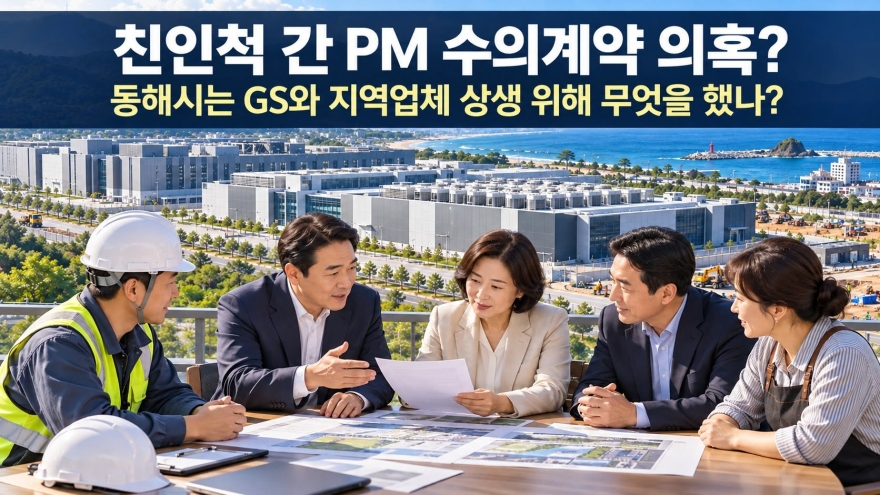
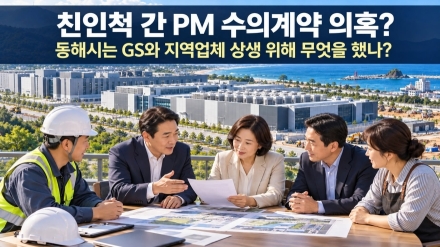
동해 AIDC 지역상생, 특정 업체 추천보다 ‘만남의 장’이 먼저다
요약 | 동해 AI 데이터센터 사업과 관련해 지역업체들이 원하는 것은 특정 업체의 수주 보장이 아니다. 시장이 GS와 지역의 자격 있는 업체 사이에 만남과 정보 공유의 기회를 마련해, 공정한 참여 가능성을 찾도록 돕는 일이다. 관련 계약이 이미 마무리됐다는 제보가 나온 가운데, 착공을 앞두고 동해시는 법정 제... -
동해시 묵호동·시흥시 배곧1동, 주민자치 교류 ‘맞손’
동해시 묵호동이 시흥시 배곧1동 주민자치회와 주민자치 교류 활성화를 위한 자매결연 협약을 체결했다. 사진/묵호동제공 최근 묵호동 행정복지센터에서 열린 협약식에는 양 지역 주민자치 조직과 동장 등 관계자 30여 명이 참석해 뜻깊은 자리를 가졌다. 이번 협약을 통해 양 단체는 ▲지역 대표 축... -
동해시, 2027년 제21기 청소년참여위원회 신규 위원 모집
동해시는 오는 11월 4일부터 20일까지 ‘2027년 제21기 동해시청소년참여위원회’에서 활동할 신규 위원을 모집한다. 「청소년 기본법」에 근거해 운영되는 청소년참여위원회는 청소년들이 지역 정책 수립과 의사결정 과정에 주도적으로 참여해 다양한 의견을 제안하고 자문하는 청소년 참여기구다. 특히 2027년에는 ... -
동해시, 고병원성 AI 등 가축전염병 차단 ‘생석회’ 지원 11월 10일까지 신청 접수
동해시가 겨울철 고병원성 조류인플루엔자(AI) 등 가축전염병 유입을 선제적으로 차단하기 위해 ‘방역용 생석회 지원 사업’을 추진하고, 오는 11월 10일까지 신청을 받는다. 최근 주변국에서 고병원성 AI 항원이 검출되고 겨울철새가 도래함에 따라 국내 발생 위험이 커짐에 따라, 시는 축산농가의 철저한 차단 방역을...