
- Will South Korea Become a New Pillar in America’s Nuclear Energy Strategy?
도널드 트럼프 행정부가 다시 출범한 이후, 미국은 원전 확대라는 야심 찬 계획을 내놓았다. 현재 100GW 수준인 원전 설비 용량을 2050년까지 400GW로 늘리겠다는 것이다.
이 목표는 단순히 에너지 정책의 수정을 넘어, 기후변화 대응과 에너지 안보를 동시에 잡겠다는 전략적 선언에 가깝다.
흥미로운 점은 이 과정에서 한국의 이름이 자연스럽게 거론되고 있다는 사실이다. 시공 경험과 기술력에서 입증된 한국 기업들을 미국이 ‘신뢰할 수 있는 파트너’로 지목한 것이다.
한국수력원자력(KHNP)과 웨스팅하우스 간 합작 논의가 본격화된 것도 같은 맥락에 있다.
이 움직임은 단순한 산업 협력이 아니다. 첫째, 에너지 안보라는 국제 질서의 핵심 의제가 자리하고 있다. 러시아의 에너지 무기화, 중국의 원전 수출 확대는 서방의 새로운 고민이자 도전이다.
미국은 신뢰할 수 있는 동맹국을 통해 공급망을 강화하고, 한국은 그 공백을 채울 유력한 후보로 떠올랐다.
둘째, 동맹의 진화라는 측면에서 원전 협력은 상징성을 가진다. 반도체·배터리에 이어 원전이 협력의 세 번째 축으로 자리한다면, 한·미 동맹은 전통적 군사·안보를 넘어 미래 산업 생태계를 공유하는 ‘포괄적 동맹’으로 확장될 것이다.
셋째, 이번 논의는 외교적 메시지이기도 하다. 이재명 대통령의 방미 정상회담을 앞두고 전해진 미국의 기대는, 원전 협력이 단순한 경제적 기회가 아니라 한·미 관계의 미래 지향성을 가늠하는 시금석이 될 것임을 보여준다.
미국이 던진 신호는 분명하다. 한국이 원전 분야에서 보여준 역량은 더 이상 해외 수출 사업의 차원을 넘어, 동맹국의 전략적 자산으로 인식되고 있다. 이제 남은 것은 한국이 이 기회를 어떻게 전략적으로 활용할지에 달려 있다.
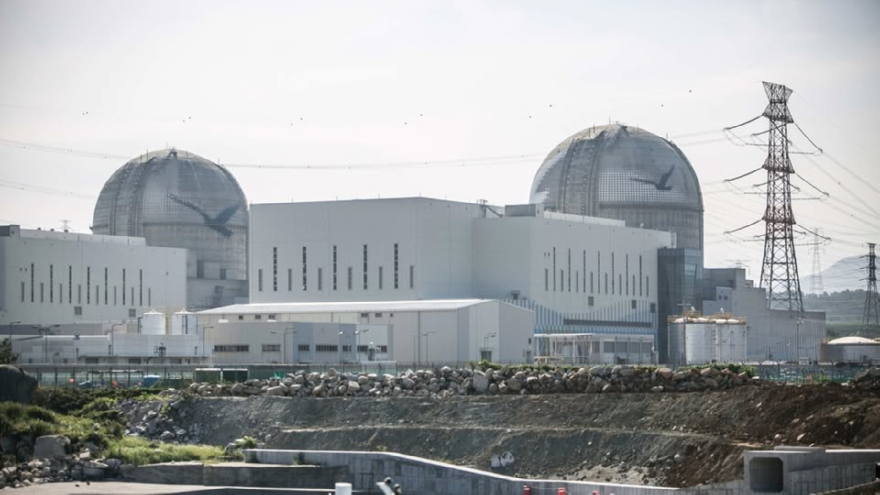
Since Donald Trump’s return to the White House, Washington has unveiled an ambitious plan to quadruple its nuclear power capacity—from 100GW today to 400GW by 2050. This is not merely an adjustment in energy policy but a strategic declaration aimed at simultaneously tackling climate change and strengthening energy security.
What is striking is the prominence of South Korea in this vision. Recognised for its proven construction expertise, Korean firms are now being positioned by U.S. officials as “trusted partners.” The ongoing talks between Korea Hydro & Nuclear Power (KHNP) and Westinghouse about forming a joint venture reflect this shift.
This development transcends industrial cooperation. First, it highlights the centrality of energy security in the global order. Russia’s weaponisation of energy and China’s aggressive nuclear exports have created a strategic vacuum, and the U.S. is looking to reliable allies to fill it. South Korea is emerging as a natural candidate.
Second, it carries the symbolism of an evolving alliance. Should nuclear power join semiconductors and batteries as the third pillar of bilateral cooperation, the Korea–U.S. alliance would expand beyond traditional military security into a comprehensive partnership encompassing future industrial ecosystems.
Third, it serves as a diplomatic signal. Coming just days before President Lee Jae-myung’s summit with President Trump, Washington’s expectation underscores that nuclear cooperation is not only an economic opportunity but also a litmus test for the forward-looking nature of the alliance.
The message from the U.S. is clear: South Korea’s nuclear capability is no longer seen merely as a commercial asset but as a strategic resource of the alliance. The question now is whether Seoul can seize this moment to elevate its role from a contractor to a co-architect of America’s energy future.
전체댓글 0
실시간뉴스


추천뉴스



포토뉴스
more +-
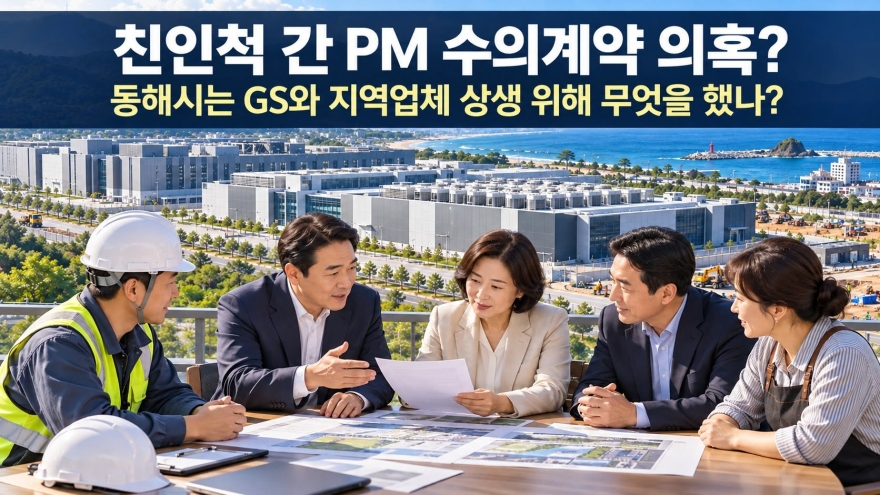
동해 AIDC 지역상생, 특정 업체 추천보다 ‘만남의 장’이 먼저다
요약 | 동해 AI 데이터센터 사업과 관련해 지역업체들이 원하는 것은 특정 업체의 수주 보장이 아니다. 시장이 GS와 지역의 자격 있는 업체 사이에 만남과 정보 공유의 기회를 마련해, 공정한 참여 가능성을 찾도록 돕는 일이다. 관련 계약이 이미 마무리됐다는 제보가 나온 가운데, 착공을 앞두고 동해시는 법정 제... -
동해시 묵호동·시흥시 배곧1동, 주민자치 교류 ‘맞손’
동해시 묵호동이 시흥시 배곧1동 주민자치회와 주민자치 교류 활성화를 위한 자매결연 협약을 체결했다. 사진/묵호동제공 최근 묵호동 행정복지센터에서 열린 협약식에는 양 지역 주민자치 조직과 동장 등 관계자 30여 명이 참석해 뜻깊은 자리를 가졌다. 이번 협약을 통해 양 단체는 ▲지역 대표 축... -
동해시, 2027년 제21기 청소년참여위원회 신규 위원 모집
동해시는 오는 11월 4일부터 20일까지 ‘2027년 제21기 동해시청소년참여위원회’에서 활동할 신규 위원을 모집한다. 「청소년 기본법」에 근거해 운영되는 청소년참여위원회는 청소년들이 지역 정책 수립과 의사결정 과정에 주도적으로 참여해 다양한 의견을 제안하고 자문하는 청소년 참여기구다. 특히 2027년에는 ... -
동해시, 고병원성 AI 등 가축전염병 차단 ‘생석회’ 지원 11월 10일까지 신청 접수
동해시가 겨울철 고병원성 조류인플루엔자(AI) 등 가축전염병 유입을 선제적으로 차단하기 위해 ‘방역용 생석회 지원 사업’을 추진하고, 오는 11월 10일까지 신청을 받는다. 최근 주변국에서 고병원성 AI 항원이 검출되고 겨울철새가 도래함에 따라 국내 발생 위험이 커짐에 따라, 시는 축산농가의 철저한 차단 방역을...