
- “Lee Jae-myung–Trump Summit: Four Talking Points Trump Would Be Keen to Hear”
칼럼 / Jee,hyungduk
오는 한미 정상회담은 관세, 방위비 분담금 등 쉽지 않은 과제를 안고 출발한다.
The upcoming South Korea–U.S. summit faces challenging issues such as tariffs and defense cost-sharing.
하지만 협상이란 단지 어려운 문제를 맞부딪히는 자리가 아니다.
However, negotiation is not just about confronting difficult issues.
상대가 ‘듣고 싶어하는 이야기’를 준비해 가는 것은 협상력의 기본이다.
Preparing what the other side wants to hear is a key part of effective diplomacy.
트럼프 대통령은 어떤 이야기에 마음이 움직일까?
So, what topics would likely capture President Trump’s interest?
경제·산업 협력 확대 - ‘미국에 당장 이익이 되는 거래’
Economic and Industrial Cooperation — “Deals That Benefit the U.S. Immediately”
트럼프의 사고방식은 단순하다. “미국이 무엇을 얻느냐?”
Trump’s mindset is simple: “What does America gain?”
그는 무역적자와 일자리 문제에 민감하며, 자국 산업이 즉각적인 혜택을 받는 제안을 선호한다.
He is sensitive to trade deficits and employment, favoring proposals that provide immediate benefits to U.S. industries.
이재명 대통령이 반도체·배터리·조선 등 전략 산업에서 미국과의 공동 투자 확대, 미국산 에너지·농산물·군수품 수입 확대를 함께 묶어 제안한다면, 트럼프는 이를 ‘미국 승리’로 받아들일 것이다.
If President Lee bundles proposals on joint investment in strategic sectors-semiconductors, batteries, shipbuilding—with expanded imports of U.S. energy, agricultural, and defense products, Trump would see it as an American win.
방위비와 동맹 재정립 — ‘한국이 더 책임진다’
Defense Cost-Sharing and Alliance Recalibration - “South Korea Takes More Responsibility”
트럼프는 “미국 혼자 세계 안보를 떠맡을 수 없다”는 입장을 노골적으로 드러내왔다.
Trump has repeatedly emphasized that the U.S. cannot bear global security responsibilities alone.
따라서 단순한 방위비 증액 언급보다, 한국이 인도·태평양 안보 전략에서 더 큰 역할을 맡겠다는 메시지가 효과적이다.
Thus, beyond just increasing defense spending, signaling that South Korea will take a larger role in Indo-Pacific security is more effective.
해양 감시, 정보 공유, 연합 훈련 확대 등은 ‘책임 있는 동맹국’ 이미지를 강화한다.
Maritime surveillance, intelligence sharing, and expanded joint exercises reinforce the image of South Korea as a responsible ally.
중국 견제 - ‘공급망과 안보에서 미국 편에 선다’
China Containment -“Aligning With the U.S. in Supply Chains and Security”
중국 문제는 트럼프의 외교·경제 의제의 중심에 있다.
China is at the center of Trump’s foreign policy and economic agenda.
그는 핵심 기술과 산업에서 중국을 배제하는 글로벌 연대를 구축하려 한다.
He aims to build a global coalition excluding China from key technologies and industries.
한국이 반도체·배터리 등 핵심 산업의 중국 의존도를 줄이고, 미국 중심의 공급망에 더 깊이 참여하겠다고 약속하면, 트럼프의 반응은 긍정적일 수밖에 없다.
If South Korea pledges to reduce dependence on China in semiconductors and batteries and deepen participation in U.S.-led supply chains, Trump’s response would likely be positive.
북한 문제에서 중국의 제재 우회 지원을 차단하겠다는 언급은 ‘안보+대중 견제’라는 두 가지 점수를 동시에 얻는 카드다.
Mentioning efforts to prevent China from circumventing sanctions on North Korea scores in both security and China-containment.
개인적 친밀감 - ‘골프 외교의 힘’
Personal Rapport - “The Power of Golf Diplomacy”
트럼프는 공식 회담 못지않게 사적 친밀감을 중시한다.
Trump values personal rapport almost as much as formal meetings.
골프는 그가 즐겨 쓰는 신뢰 형성 수단이다.
Golf is one of his preferred ways to build trust.
회담 이후 골프 라운드를 제안하거나, 트럼프의 취향을 존중하는 대화를 던지는 것만으로도 분위기가 부드러워진다.
Simply suggesting a golf round or engaging in conversation that respects his preferences can ease the negotiation atmosphere.
강경한 협상가의 태도도, 한 번 웃음이 터지면 완화되기 마련이다.
Even a tough negotiator’s stance can soften after a shared laugh.
결론: ‘거래의 언어’로 접근해야
Conclusion: Approach in the “Language of Deals”
트럼프에게는 추상적인 우정이나 동맹의 미사여구보다, 즉각적·가시적 성과가 담긴 제안이 통한다.
For Trump, proposals with immediate, tangible results carry more weight than abstract expressions of friendship or alliance rhetoric.
경제, 안보, 대중 견제, 그리고 개인적 친밀감—이 네 가지 카드가 적절히 조합된다면, 관세와 방위비 같은 민감한 사안도 협상의 문이 열릴 수 있다.
Combining economic, security, China-containment, and personal rapport strategically can open the door to negotiations on sensitive issues such as tariffs and defense costs.
결국 이번 회담의 성패는, 이재명 대통령이 트럼프의 마음속 계산기를 어떻게 ‘플러스’로 맞추느냐에 달려 있다.
Ultimately, the success of this summit depends on how President Lee aligns Trump’s calculations in a “win” scenario.
BEST 뉴스
-

[지형덕칼럼] 동해 AI데이터센터, 규모보다 수요와 효율을 증명해야 한다
AI 연산 효율을 높이는 기술 등장…동해시와 GS는 단계별 수요·전력 사용·지역 혜택을 함께 설명해야 한다 Emerging technologies aim to improve AI computing efficiency. Donghae and GS should explain phased demand, power requirements and tangible local benefits. AI데이터센터의 경쟁력을 설명할 때... -
[지형덕칼럼] 동해시장, AI데이터센터의 ‘규모’보다 ‘실익’을 증명하라
GS의 냉각기술 개발과 도의회의 상생 요구가 던지는 질문…전력·물·고용·지역기업 참여를 검증 가능한 계획으로 제시해야 한다 GS’s cooling technology initiative and provincial calls for community benefits demand verifiable plans for power, water, employment and local business participation. 동... -
동해 AI데이터센터, 전기는 어디서 오나…화력발전 연계 계획 설명 필요
동해 AI데이터센터 캠퍼스의 전력공급과 관련해 화력발전소 연계 계획의 구체적인 내용과 지역 환경에 미칠 영향을 설명할 필요가 제기된다. 대규모 전력 확보 여부와 함께 어떤 발전원에서 전기를 조달하고, 기존 발전소 운영에 어떤 변화가 생기는지 시민이 확인할 수 있어야 한다는 취... -
[기자의눈]동해 AI데이터센터, 시민의 알권리에서 상생을 시작하자
전력·물·생활환경과 지역 일자리에 대한 충분한 설명이 신뢰의 출발점…동해시와 GS가 사업 초기부터 공개하고 소통하는 체계를 마련해야 Clear information on power, water, living conditions and local jobs is essential to trust. Donghae and GS should establish transparent communication from the outs... -
동해 AI데이터센터, 주민의 ‘열섬·농작물 피해’ 우려에 자료로 답해야
시사K뉴스|지형덕 기자 동해 AI데이터센터 주변 주민들이 걱정하는 문제 가운데 하나는 열이다. 기존 산업시설이 들어선 지역에 대규모 데이터센터까지 가동되면 여름철 생활환경과 인근 농작물에 부담이 더해지는 것 아니냐는 우려다. 주민설명회에서는 인근 포도농원의 피해를 호소하며 데이터센터 조성 이후 ... -
[지형덕칼럼] 강릉 AIDC 논란의 교훈…동해시장, 상생에도 ‘패스트트랙’을 적용하라
지형덕|시사K뉴스 강릉 AI데이터센터 유치를 둘러싼 정치 공방이 거세지고 있다. 그러나 시민이 확인해야 할 핵심은 정당 간 비난의 강도보다 사업의 실제 준비 수준이다. 무엇이 확정됐고 무엇이 협의 중인지, 전력과 부지 등 필수 조건은 어느 단계까지 확보됐는지부터 분명히 해야 한다. 국민의힘 강원지역 국...
전체댓글 0
실시간뉴스
추천뉴스



포토뉴스
more +-
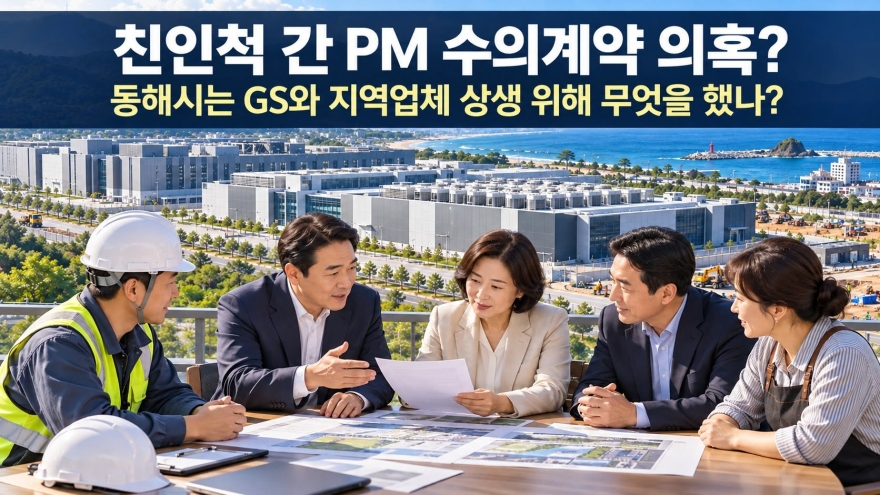
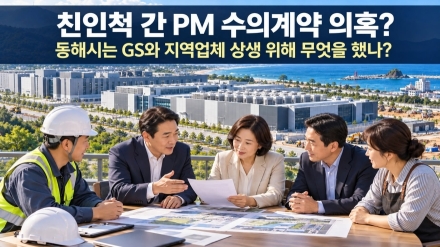
동해 AIDC 지역상생, 특정 업체 추천보다 ‘만남의 장’이 먼저다
요약 | 동해 AI 데이터센터 사업과 관련해 지역업체들이 원하는 것은 특정 업체의 수주 보장이 아니다. 시장이 GS와 지역의 자격 있는 업체 사이에 만남과 정보 공유의 기회를 마련해, 공정한 참여 가능성을 찾도록 돕는 일이다. 관련 계약이 이미 마무리됐다는 제보가 나온 가운데, 착공을 앞두고 동해시는 법정 제... -
동해시 묵호동·시흥시 배곧1동, 주민자치 교류 ‘맞손’
동해시 묵호동이 시흥시 배곧1동 주민자치회와 주민자치 교류 활성화를 위한 자매결연 협약을 체결했다. 사진/묵호동제공 최근 묵호동 행정복지센터에서 열린 협약식에는 양 지역 주민자치 조직과 동장 등 관계자 30여 명이 참석해 뜻깊은 자리를 가졌다. 이번 협약을 통해 양 단체는 ▲지역 대표 축... -
동해시, 2027년 제21기 청소년참여위원회 신규 위원 모집
동해시는 오는 11월 4일부터 20일까지 ‘2027년 제21기 동해시청소년참여위원회’에서 활동할 신규 위원을 모집한다. 「청소년 기본법」에 근거해 운영되는 청소년참여위원회는 청소년들이 지역 정책 수립과 의사결정 과정에 주도적으로 참여해 다양한 의견을 제안하고 자문하는 청소년 참여기구다. 특히 2027년에는 ... -
동해시, 고병원성 AI 등 가축전염병 차단 ‘생석회’ 지원 11월 10일까지 신청 접수
동해시가 겨울철 고병원성 조류인플루엔자(AI) 등 가축전염병 유입을 선제적으로 차단하기 위해 ‘방역용 생석회 지원 사업’을 추진하고, 오는 11월 10일까지 신청을 받는다. 최근 주변국에서 고병원성 AI 항원이 검출되고 겨울철새가 도래함에 따라 국내 발생 위험이 커짐에 따라, 시는 축산농가의 철저한 차단 방역을...