
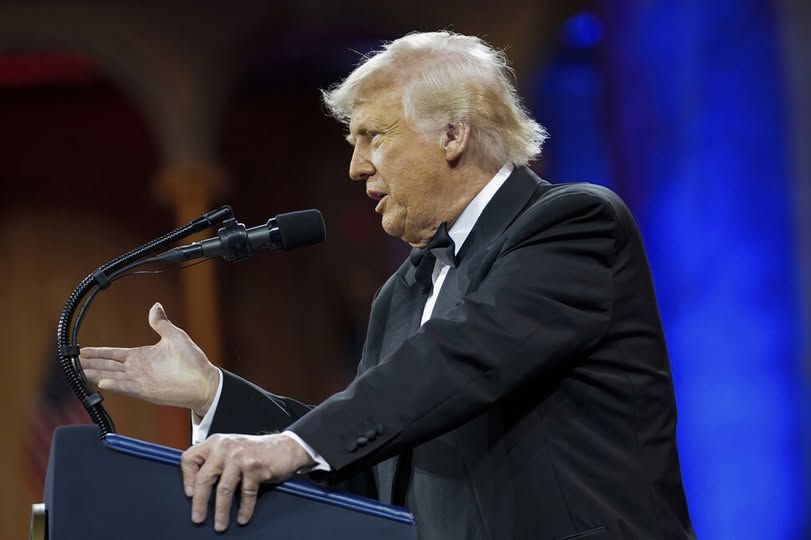
- U.S. President Donald Trump recently stirred political debate by calling on all U.S. state governors to overhaul their voting systems.
[Column]
President Trump's Demands and Korea’s Electoral System: What Should We Improve?
By Jee, Hyung-duk, Reporter at Sisa K News
U.S. President Donald Trump recently stirred political debate by calling on all U.S. state governors to overhaul their voting systems.
He laid out four key demands: paper ballots only, same-day voting, mandatory voter ID, and proof of citizenship. These proposals reflect a central theme in the conservative movement’s push for greater election integrity and security.
However, in the United States’ federal system, the authority over election procedures lies primarily with individual state governments. As such, even the president has limited power to unilaterally enforce such changes nationwide.
Moreover, early voting and mail-in ballots remain crucial for many voters—especially seniors, people with disabilities, and overseas citizens—making their elimination politically and socially contentious.
President Trump’s remarks bring renewed attention to the fundamentals of electoral trust. They also prompt us to reexamine the current state of South Korea’s election system. How secure is it, and what improvements, if any, are necessary?
By Trump’s Standards, Korea Is Already Ahead
South Korea is widely recognized for its secure and transparent election system. All voters must present valid photo ID, and voter registration is automatically linked to the national resident registration system—making impersonation or duplicate voting virtually impossible.
In contrast, some U.S. states allow voting without ID, and verifying voter citizenship is not consistently enforced—concerns that give weight to President Trump’s argument for stricter verification.
South Korea also operates a national-level early voting system. This has played a key role in encouraging youth participation and boosting overall turnout. Nevertheless, it has not been free from criticism.
Trust Matters More Than Structure
In recent years, concerns have surfaced regarding the management and transport of early voting ballot boxes, the transparency of vote counting, and blind spots in surveillance. These issues drew significant public attention during the 2020 general elections and the 2022 presidential election.
Civic groups have called for enhanced transparency measures such as real-time tracking of ballot transport, full video documentation of the vote-counting process, and a structural overhaul of the National Election Commission to ensure political neutrality and public trust.
On a systemic level, South Korea’s electoral reform has also faced challenges. The introduction of a semi-proportional representation system in 2020—intended to better reflect voter intent—was undermined by the proliferation of so-called “satellite parties,” leading to widespread criticism. According to the National Assembly Research Service, this outcome was largely due to a lack of public interest and intense party-driven political maneuvering.
Reform Without Instability
Elections are not just mechanisms for determining political winners. They are the foundation of democracy—a way for citizens to express their will. Ensuring transparency and public trust must be a top priority.
South Korea does not need a drastic Trump-style electoral overhaul.
However, meaningful reforms aimed at strengthening transparency and restoring trust are necessary. These might include tighter control over early voting logistics, more open access to election data, and reinforcing the independence and accountability of election oversight bodies.
In the end, the most important factor is not just how the system is designed—but whether the public believes in it. Transparent processes, fair administration, and consistent communication with citizens are the true pillars of a healthy electoral democracy.
[칼럼]
트럼프 발언과 한국 선거제도, 우리는 무엇을 보완해야 하는가
글/지형덕 (시사k뉴스 기자)
도널드 트럼프 미국 대통령이 최근 “미국 내 모든 주지사에게 투표 방식을 전환하라고 요청했다”는 발언을 해 정치권의 이목을 끌고 있다.
그는 종이 투표지, 당일 투표 원칙, 유권자 신분증 의무화, 시민권 증명 등 네 가지 조건을 제시하며 미국의 선거 시스템이 조작에 취약하다고 주장했다.
미국 내 보수 진영에서 꾸준히 제기돼온 ‘선거 투명성 강화’ 요구가 다시 수면 위로 떠오른 것이다.
그러나 미국은 연방제 국가다. 선거 방식은 각 주의 권한이므로 대통령이 일괄적으로 바꿀 수 없다.
사전투표나 우편투표는 노년층과 해외 유권자 등에게는 중요한 제도이기에 이를 없애는 것은 정치적·사회적으로도 쉽지 않다.
이러한 논란을 지켜보며 자연스럽게 우리의 선거제도를 돌아보게 된다.
과연 한국의 선거 시스템은 얼마나 신뢰받고 있으며, 어떤 부분을 보완해야 할까?
한국, 트럼프식 기준으로 보면 이미 선진적..
한국은 신분증 확인, 종이 투표지 사용 등에서 선거의 보안성과 공정성을 이미 세계적으로 인정받고 있다.
모든 유권자는 신분증을 지참해야 하며, 주민등록 기반으로 유권자 등록이 자동으로 이루어진다. 부정 투표 가능성이 원천적으로 낮은 구조다.
반면, 미국은 일부 주에서 신분증 없이도 투표할 수 있고, 시민권 검증 또한 완전하지 않다는 점에서 트럼프의 주장에 공감하는 이들이 많다.
한국은 또한 전국 단위의 사전투표 제도를 운영 중이다. 이는 젊은 층의 참여를 유도하고, 투표율을 높이는 데 긍정적인 기여를 해왔다.
하지만 이 제도 역시 비판에서 자유롭지 않다.
제도보다 중요한 것은 ‘신뢰’..
사전투표함의 보관 및 이송 과정, 개표장 감시 시스템, CCTV 사각지대 등 일부 문제는 선거의 신뢰를 떨어뜨릴 수 있다는 지적이 꾸준히 제기되고 있다.
특히 2020년 총선과 2022년 대선 이후 이런 논란은 더욱 확산되었다.
일부 시민단체는 실시간 투표함 이송 경로 공개, 투개표 전 과정 녹화 및 공개 기록화, 중앙선관위의 구성 방식 개선 등을 촉구하고 있다.
또한, 제도 개선 차원에서는 선거제도의 대표성과 공정성 문제도 있다.
2020년 도입된 준연동형 비례대표제는 위성정당의 난립이라는 부작용을 낳으며 실패로 평가받는다.
국회 입법조사처는 이러한 제도적 문제의 원인으로 ‘국민적 관심의 저조’와 ‘정당 간 이해관계 충돌’을 꼽았다.
변화는 필요하다, 그러나 흔들림은 없어야..
선거는 단지 승패를 가르는 도구가 아니다. 유권자가 국가에 대한 의사를 표시하는 민주주의의 근간이다. 따라서 투명성과 신뢰성 확보는 아무리 강조해도 지나치지 않다.
한국은 트럼프식 개편이 굳이 필요한 상황은 아니다. 그러나 현행 제도에 대한 신뢰 회복과 투명성 강화를 위한 보완책은 충분히 논의될 필요가 있다.
사전투표 관리의 철저화, 개표 전 과정의 정보공개 확대, 선관위 조직의 독립성과 책임성 강화 등이 그 핵심이다.
결국, 제도를 바꾸는 것보다 더 중요한 것은 ‘국민이 그 제도를 얼마나 신뢰하느냐’에 달려 있다.
투명한 과정, 공정한 운영, 그리고 국민과의 소통이야말로 건강한 선거문화의 기반이 될 것이다.
#지형덕기자www.sisaknews.com
#USA#President#트럼프#TRUMP#시사k뉴스
ⓒ 시사K뉴스 & sisaknews.com 무단전재-재배포금지
BEST 뉴스
-
[지형덕칼럼] 동해 AI데이터센터, 규모보다 수요와 효율을 증명해야 한다
AI 연산 효율을 높이는 기술 등장…동해시와 GS는 단계별 수요·전력 사용·지역 혜택을 함께 설명해야 한다 Emerging technologies aim to improve AI computing efficiency. Donghae and GS should explain phased demand, power requirements and tangible local benefits. AI데이터센터의 경쟁력을 설명할 때... -
[지형덕칼럼] 동해시장, AI데이터센터의 ‘규모’보다 ‘실익’을 증명하라
GS의 냉각기술 개발과 도의회의 상생 요구가 던지는 질문…전력·물·고용·지역기업 참여를 검증 가능한 계획으로 제시해야 한다 GS’s cooling technology initiative and provincial calls for community benefits demand verifiable plans for power, water, employment and local business participation. 동... -
동해 AI데이터센터, 전기는 어디서 오나…화력발전 연계 계획 설명 필요
동해 AI데이터센터 캠퍼스의 전력공급과 관련해 화력발전소 연계 계획의 구체적인 내용과 지역 환경에 미칠 영향을 설명할 필요가 제기된다. 대규모 전력 확보 여부와 함께 어떤 발전원에서 전기를 조달하고, 기존 발전소 운영에 어떤 변화가 생기는지 시민이 확인할 수 있어야 한다는 취... -
[기자의눈]동해 AI데이터센터, 시민의 알권리에서 상생을 시작하자
전력·물·생활환경과 지역 일자리에 대한 충분한 설명이 신뢰의 출발점…동해시와 GS가 사업 초기부터 공개하고 소통하는 체계를 마련해야 Clear information on power, water, living conditions and local jobs is essential to trust. Donghae and GS should establish transparent communication from the outs... -
동해 AI데이터센터, 주민의 ‘열섬·농작물 피해’ 우려에 자료로 답해야
시사K뉴스|지형덕 기자 동해 AI데이터센터 주변 주민들이 걱정하는 문제 가운데 하나는 열이다. 기존 산업시설이 들어선 지역에 대규모 데이터센터까지 가동되면 여름철 생활환경과 인근 농작물에 부담이 더해지는 것 아니냐는 우려다. 주민설명회에서는 인근 포도농원의 피해를 호소하며 데이터센터 조성 이후 ... -
[지형덕칼럼] 강릉 AIDC 논란의 교훈…동해시장, 상생에도 ‘패스트트랙’을 적용하라
지형덕|시사K뉴스 강릉 AI데이터센터 유치를 둘러싼 정치 공방이 거세지고 있다. 그러나 시민이 확인해야 할 핵심은 정당 간 비난의 강도보다 사업의 실제 준비 수준이다. 무엇이 확정됐고 무엇이 협의 중인지, 전력과 부지 등 필수 조건은 어느 단계까지 확보됐는지부터 분명히 해야 한다. 국민의힘 강원지역 국...
전체댓글 0
실시간뉴스
추천뉴스



포토뉴스
more +-
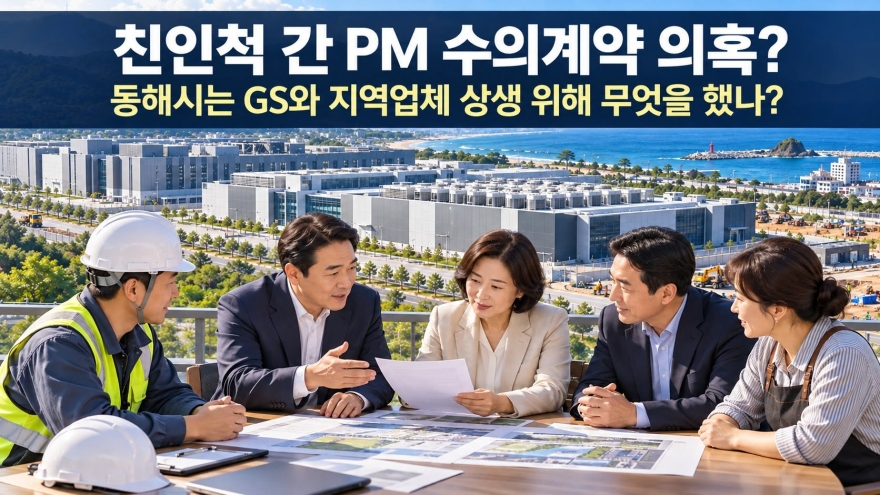
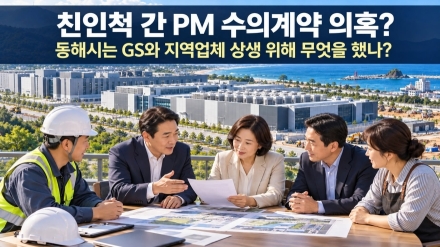
동해 AIDC 지역상생, 특정 업체 추천보다 ‘만남의 장’이 먼저다
요약 | 동해 AI 데이터센터 사업과 관련해 지역업체들이 원하는 것은 특정 업체의 수주 보장이 아니다. 시장이 GS와 지역의 자격 있는 업체 사이에 만남과 정보 공유의 기회를 마련해, 공정한 참여 가능성을 찾도록 돕는 일이다. 관련 계약이 이미 마무리됐다는 제보가 나온 가운데, 착공을 앞두고 동해시는 법정 제... -
동해시 묵호동·시흥시 배곧1동, 주민자치 교류 ‘맞손’
동해시 묵호동이 시흥시 배곧1동 주민자치회와 주민자치 교류 활성화를 위한 자매결연 협약을 체결했다. 사진/묵호동제공 최근 묵호동 행정복지센터에서 열린 협약식에는 양 지역 주민자치 조직과 동장 등 관계자 30여 명이 참석해 뜻깊은 자리를 가졌다. 이번 협약을 통해 양 단체는 ▲지역 대표 축... -
동해시, 2027년 제21기 청소년참여위원회 신규 위원 모집
동해시는 오는 11월 4일부터 20일까지 ‘2027년 제21기 동해시청소년참여위원회’에서 활동할 신규 위원을 모집한다. 「청소년 기본법」에 근거해 운영되는 청소년참여위원회는 청소년들이 지역 정책 수립과 의사결정 과정에 주도적으로 참여해 다양한 의견을 제안하고 자문하는 청소년 참여기구다. 특히 2027년에는 ... -
동해시, 고병원성 AI 등 가축전염병 차단 ‘생석회’ 지원 11월 10일까지 신청 접수
동해시가 겨울철 고병원성 조류인플루엔자(AI) 등 가축전염병 유입을 선제적으로 차단하기 위해 ‘방역용 생석회 지원 사업’을 추진하고, 오는 11월 10일까지 신청을 받는다. 최근 주변국에서 고병원성 AI 항원이 검출되고 겨울철새가 도래함에 따라 국내 발생 위험이 커짐에 따라, 시는 축산농가의 철저한 차단 방역을...