
- 하버드대 정치학 교수인 스티븐 레비츠키와 대니얼 지블랫은 저서 《어떻게 민주주의는 무너지는가(How Democracies Die)》에서 현대 민주주의의 몰락이 군사 쿠데타가 아닌, 선출된 지도자들의 민주주의 파괴 행태에서 비롯된다고 경고한다.
[The Journalist’s Perspective] How Democracies Die
The democracy crisis signals we miss
2025.02.07
Jee,hyungduk;Sisaknews Reporter
Democracy does not collapse with the sound of gunfire. Rather, it erodes gradually and incrementally. Harvard political scientists Steven Levitsky and Daniel Ziblatt warn in their book How Democracies Die that modern democratic decline does not result from military coups but from the actions of elected leaders who undermine democratic institutions.
This issue is deeply relevant to our political reality today.
The greatest threat to democracy today is not the legal and institutional framework itself but the attitudes and actions of those who operate within it. For democracy to remain stable, it requires not only laws and constitutions but also implicit norms that politicians and citizens must uphold. When these norms are broken, democracy embarks on an irreversible path of decline.
The authors identify four key characteristics of leaders who dismantle democracy:
1. They do not respect democratic procedures.
2. They view political opponents as enemies and deny their 2. legitimacy.
3. They condone or encourage violence.
4. They seek to restrict the press and civil liberties.
When leaders exhibiting these traits come to power, democracy gradually loses its essential functions.
Political parties also play a crucial role. To safeguard democracy, parties must act as gatekeepers, preventing authoritarian-leaning figures from rising to power. However, if parties tolerate or even encourage extreme rhetoric from certain candidates, the collapse of democracy becomes only a matter of time. This phenomenon has already been observed in various countries worldwide, including the United States.
The case of the United States is particularly instructive.
The authors argue that former President Donald Trump’s rise to power and political conduct closely resemble the process of democratic backsliding. With increasing political polarization and the erosion of norms of mutual respect and restraint, the very foundations of the U.S. political system have been shaken. However, this is not a challenge unique to the United States. We, too, must take these warning signs of democratic crisis seriously.
The responsibility of protecting democracy does not lie solely with politicians. Civil society must remain vigilant and defend democratic values. When a free press, an independent judiciary, and a fair electoral system are threatened, we must not passively accept it as inevitable. Only when citizens actively engage in politics and strive to uphold democratic principles can democracy endure.
History teaches us that once democracy collapses, it is incredibly difficult to restore. Democracy does not sustain itself—it requires constant vigilance and action to protect it.
Is our democracy truly safe?
It is time for us to ask ourselves this question and seek the answer.
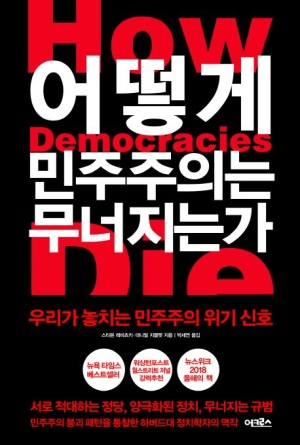
[기자의 눈] 민주주의는 어떻게 무너지는가
민주주의는 총성과 함께 붕괴하는 것이 아니다. 그것은 오히려 서서히, 그리고 점진적으로 무너진다. 하버드대 정치학 교수인 스티븐 레비츠키와 대니얼 지블랫은 저서 《어떻게 민주주의는 무너지는가(How Democracies Die)》에서 현대 민주주의의 몰락이 군사 쿠데타가 아닌, 선출된 지도자들의 민주주의 파괴 행태에서 비롯된다고 경고한다.
이는 우리 시대의 정치적 현실과도 맞닿아 있는 문제다.
오늘날 민주주의를 위협하는 가장 큰 요소는 법과 제도 자체가 아니라, 그것을 운영하는 이들의 태도와 행동이다. 민주주의가 안정적으로 유지되기 위해서는 법률과 헌법뿐만 아니라, 정치인과 시민들이 지켜야 할 암묵적인 규범이 필요하다. 그러나 이러한 규범이 깨질 때, 민주주의는 돌이킬 수 없는 길을 걷게 된다.
저자들은 민주주의를 무너뜨리는 지도자들의 특징을 네 가지로 요약한다.
첫째, 민주적 절차를 존중하지 않는다. 둘째, 정치적 반대 세력을 적으로 간주하고 정당성을 부정한다. 셋째, 폭력을 용인하거나 조장한다. 넷째, 언론과 시민 자유를 제한하려 한다. 이러한 특징을 가진 지도자들이 권력을 잡게 되면, 민주주의는 서서히 그 본래의 기능을 상실하게 된다.
정치 정당의 역할도 중요하다. 민주주의를 지키기 위해서는 정당이 권위주의적 성향의 지도자가 등장하지 못하도록 걸러내는 '문지기' 역할을 해야 한다. 그러나 정당이 특정 후보의 극단적인 언행을 용인하거나, 오히려 조장한다면 민주주의의 붕괴는 시간문제일 뿐이다. 이는 미국뿐만 아니라 세계 여러 나라에서 이미 관찰된 현상이다.
미국의 사례는 특히 시사하는 바가 크다.
저자들은 트럼프 전 대통령의 집권 과정과 그의 정치적 행보가 민주주의의 붕괴 과정과 유사하다고 지적한다. 정치적 양극화가 심화되고, 상호 존중과 절제의 규범이 깨지면서 미국 정치 시스템 자체가 흔들리고 있다는 것이다. 하지만 이는 특정 국가만의 문제가 아니다. 우리 또한 민주주의의 위기를 경고하는 이러한 신호를 심각하게 받아들여야 한다.
민주주의를 지키는 것은 정치인들만의 몫이 아니다. 시민사회 또한 경각심을 가지고 민주적 가치를 수호해야 한다. 자유로운 언론, 독립적인 사법부, 공정한 선거 제도가 흔들릴 때, 우리는 이를 당연한 것으로 받아들여서는 안 된다. 시민들이 적극적으로 정치에 참여하고, 민주적 원칙을 지키려는 노력이 있을 때에만 민주주의는 지속될 수 있다.
역사는 우리에게 민주주의가 한 번 무너지면 다시 회복하기 어렵다는 교훈을 준다. 민주주의는 저절로 유지되는 것이 아니다. 그것을 지키기 위해서는 경계하고, 행동해야 한다. 우리의 민주주의는 과연 안전한가? 이제는 그 답을 찾기 위해 스스로에게 물어야 할 때다.
www.sisaknews.com
#How Democracies Die#Harvard political scientists#Steven Levitsky#Daniel Ziblatt#professor
#김부겸#민주주의는어떻게무너지는가#정치가#자유민주주의#시사k뉴스
BEST 뉴스
-

[지형덕칼럼] 동해 AI데이터센터, 규모보다 수요와 효율을 증명해야 한다
AI 연산 효율을 높이는 기술 등장…동해시와 GS는 단계별 수요·전력 사용·지역 혜택을 함께 설명해야 한다 Emerging technologies aim to improve AI computing efficiency. Donghae and GS should explain phased demand, power requirements and tangible local benefits. AI데이터센터의 경쟁력을 설명할 때... -

[지형덕칼럼] 동해시장, AI데이터센터의 ‘규모’보다 ‘실익’을 증명하라
GS의 냉각기술 개발과 도의회의 상생 요구가 던지는 질문…전력·물·고용·지역기업 참여를 검증 가능한 계획으로 제시해야 한다 GS’s cooling technology initiative and provincial calls for community benefits demand verifiable plans for power, water, employment and local business participation. 동... -

동해 AI데이터센터, 전기는 어디서 오나…화력발전 연계 계획 설명 필요
동해 AI데이터센터 캠퍼스의 전력공급과 관련해 화력발전소 연계 계획의 구체적인 내용과 지역 환경에 미칠 영향을 설명할 필요가 제기된다. 대규모 전력 확보 여부와 함께 어떤 발전원에서 전기를 조달하고, 기존 발전소 운영에 어떤 변화가 생기는지 시민이 확인할 수 있어야 한다는 취... -

[기자의눈]동해 AI데이터센터, 시민의 알권리에서 상생을 시작하자
전력·물·생활환경과 지역 일자리에 대한 충분한 설명이 신뢰의 출발점…동해시와 GS가 사업 초기부터 공개하고 소통하는 체계를 마련해야 Clear information on power, water, living conditions and local jobs is essential to trust. Donghae and GS should establish transparent communication from the outs... -

동해 AI데이터센터, 주민의 ‘열섬·농작물 피해’ 우려에 자료로 답해야
시사K뉴스|지형덕 기자 동해 AI데이터센터 주변 주민들이 걱정하는 문제 가운데 하나는 열이다. 기존 산업시설이 들어선 지역에 대규모 데이터센터까지 가동되면 여름철 생활환경과 인근 농작물에 부담이 더해지는 것 아니냐는 우려다. 주민설명회에서는 인근 포도농원의 피해를 호소하며 데이터센터 조성 이후 ... -

[지형덕칼럼] 강릉 AIDC 논란의 교훈…동해시장, 상생에도 ‘패스트트랙’을 적용하라
지형덕|시사K뉴스 강릉 AI데이터센터 유치를 둘러싼 정치 공방이 거세지고 있다. 그러나 시민이 확인해야 할 핵심은 정당 간 비난의 강도보다 사업의 실제 준비 수준이다. 무엇이 확정됐고 무엇이 협의 중인지, 전력과 부지 등 필수 조건은 어느 단계까지 확보됐는지부터 분명히 해야 한다. 국민의힘 강원지역 국...
전체댓글 0
실시간뉴스
추천뉴스




포토뉴스
more +-
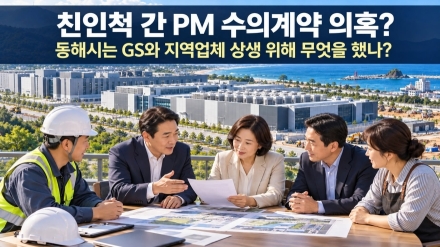
동해 AIDC 지역상생, 특정 업체 추천보다 ‘만남의 장’이 먼저다
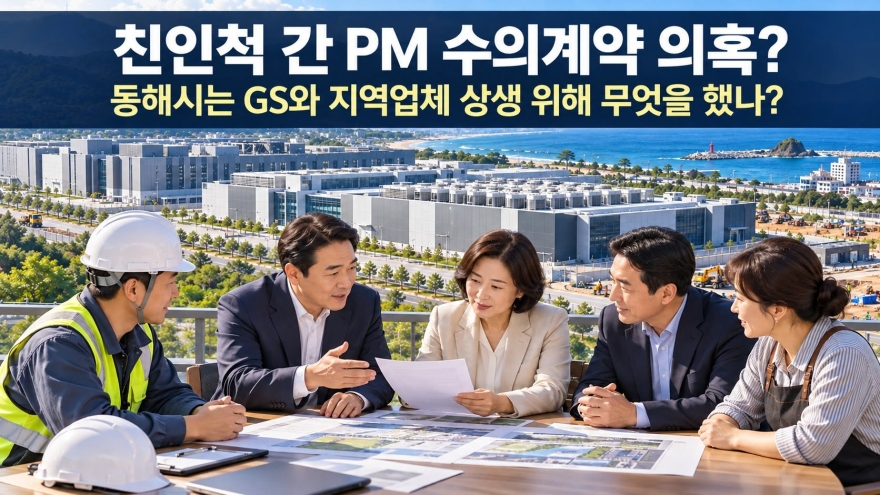
요약 | 동해 AI 데이터센터 사업과 관련해 지역업체들이 원하는 것은 특정 업체의 수주 보장이 아니다. 시장이 GS와 지역의 자격 있는 업체 사이에 만남과 정보 공유의 기회를 마련해, 공정한 참여 가능성을 찾도록 돕는 일이다. 관련 계약이 이미 마무리됐다는 제보가 나온 가운데, 착공을 앞두고 동해시는 법정 제... -
동해시 묵호동·시흥시 배곧1동, 주민자치 교류 ‘맞손’
동해시 묵호동이 시흥시 배곧1동 주민자치회와 주민자치 교류 활성화를 위한 자매결연 협약을 체결했다. 사진/묵호동제공 최근 묵호동 행정복지센터에서 열린 협약식에는 양 지역 주민자치 조직과 동장 등 관계자 30여 명이 참석해 뜻깊은 자리를 가졌다. 이번 협약을 통해 양 단체는 ▲지역 대표 축... -
동해시, 2027년 제21기 청소년참여위원회 신규 위원 모집
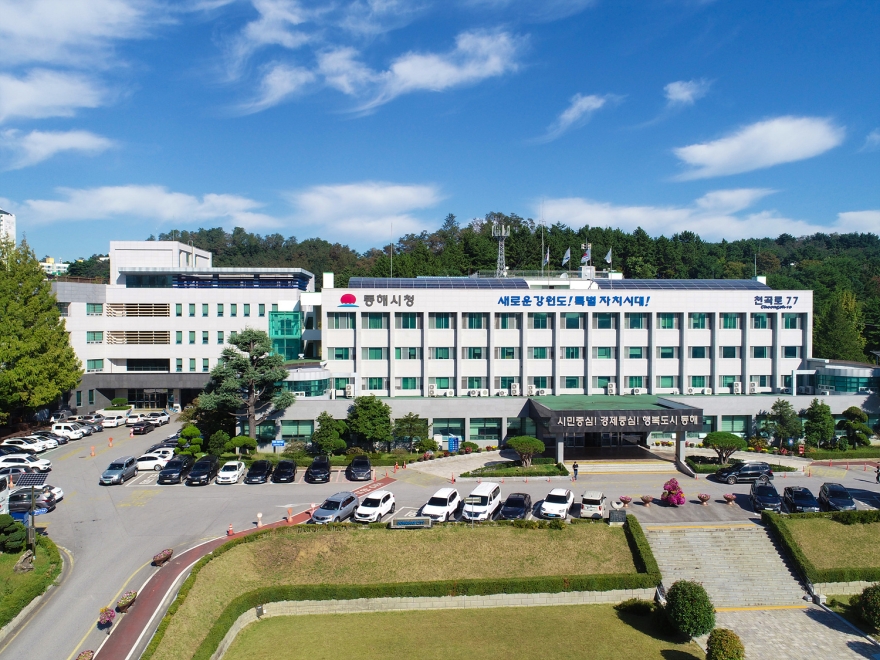
동해시는 오는 11월 4일부터 20일까지 ‘2027년 제21기 동해시청소년참여위원회’에서 활동할 신규 위원을 모집한다. 「청소년 기본법」에 근거해 운영되는 청소년참여위원회는 청소년들이 지역 정책 수립과 의사결정 과정에 주도적으로 참여해 다양한 의견을 제안하고 자문하는 청소년 참여기구다. 특히 2027년에는 ... -
동해시, 고병원성 AI 등 가축전염병 차단 ‘생석회’ 지원 11월 10일까지 신청 접수
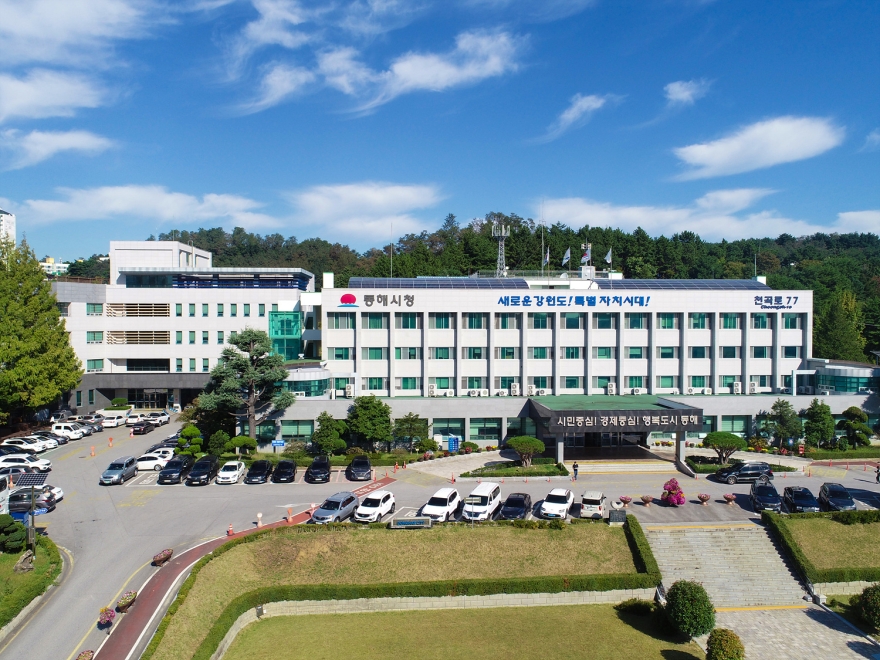
동해시가 겨울철 고병원성 조류인플루엔자(AI) 등 가축전염병 유입을 선제적으로 차단하기 위해 ‘방역용 생석회 지원 사업’을 추진하고, 오는 11월 10일까지 신청을 받는다. 최근 주변국에서 고병원성 AI 항원이 검출되고 겨울철새가 도래함에 따라 국내 발생 위험이 커짐에 따라, 시는 축산농가의 철저한 차단 방역을...