
- 시사평: 한국 사회의 염치와 체면, 변화와 재구성의 단면

Commentary: The Transformation and Reconfiguration of "Yeomchi" and "Chaemyeon" in Korean Society
시사평: 한국 사회의 염치와 체면, 변화와 재구성의 단면
2024.12.14
jee,hyungduk
The concepts of "yeomchi" (a sense of shame or propriety) and "chaemyeon" (saving face) in Korean society have undergone significant changes, transitioning from traditional values to modern reconfigurations. While these values were once deeply rooted in communal and familial ties, contemporary societal shifts toward individualism and modern priorities have redefined their meanings and applications.
1. From Traditional Norms to Individualism
In the past, "yeomchi" and "chaemyeon" were closely linked to family and community, with individuals expected to uphold collective honor. Today, individualism has shifted the focus toward personal happiness and autonomy. For example, the growing acceptance of marriage and childbirth as personal choices reflects a break from the traditional norm of marrying to uphold family honor. Similarly, the weakening of filial piety has highlighted the need for robust social welfare systems to support aging populations.
2. Online Culture and the Emergence of New Norms
The advent of the internet and social media has transformed the traditional dynamics of "chaemyeon." While anonymity online has sometimes weakened the sense of "yeomchi," social media has introduced new ways of managing one’s image. People carefully curate their online personas, often seeking approval through "likes" and shares, which can be seen as a digital evolution of traditional face-saving practices. Additionally, collective online criticism or “call-outs” against unethical behavior demonstrates a new form of social accountability.
3. Social Conflicts and the Crisis of Public Trust
High-profile cases of corruption among politicians, business leaders, and public officials highlight a breakdown in traditional notions of "yeomchi" and "chaemyeon." However, public backlash and citizen activism represent efforts to restore communal trust and uphold social integrity. These movements reflect the public’s demand for accountability and the reclamation of a collective moral framework.
4. Social Solidarity and Expanded Responsibility
Modern interpretations of "yeomchi" emphasize broader social responsibilities rather than narrow familial or communal concerns. Environmental activism, such as campaigns to reduce plastic use and carbon emissions, exemplifies how individuals now recognize their impact on society and the planet. Similarly, the emphasis on protecting marginalized groups, including people with disabilities, LGBTQ+ communities, and those from low-income backgrounds, signifies a new ethical framework aligned with contemporary values.
5. The MZ Generation’s Approach to "Yeomchi" and "Chaemyeon"
The MZ generation (Millennials and Gen Z) is moving away from traditional norms, prioritizing personal autonomy over conventional expectations. For instance, they increasingly challenge unjust authority in the workplace, opting to advocate for themselves or even quit jobs when faced with unfair demands. Despite this shift, the MZ generation still values "chaemyeon" within modern parameters, such as showcasing curated lifestyles on social media or supporting ethical consumption as part of their personal and social identities.
Conclusion
The evolution of "yeomchi" and "chaemyeon" in Korean society reflects the dynamic interplay between traditional values and modern priorities. Far from disappearing, these concepts have adapted to new social contexts, embodying a blend of historical norms and contemporary ideals. Moving forward, "yeomchi" and "chaemyeon" will likely continue to evolve, serving as critical indicators of both individual character and collective values in a rapidly changing society.
시사평: 한국 사회의 염치와 체면, 변화와 재구성의 단면
한국 사회에서 염치와 체면은 전통적 가치의 약화와 현대적 재구성을 통해 변화하고 있습니다. 과거에는 공동체적 관념이 강하게 작용하여 개인의 행동이 가족과 집단의 명예와 긴밀히 연결되었습니다. 그러나 현대에 들어 개인주의와 다양한 사회적 변화가 맞물리면서 염치와 체면의 개념은 새로운 양상을 띠고 있습니다.
1. 전통적 규범에서 개인주의로의 전환
가족과 공동체 중심이었던 전통적 염치와 체면은 개인주의 확산과 함께 개인의 행복과 자유를 중시하는 방향으로 변화했습니다. 예컨대, 결혼이나 출산을 개인의 선택으로 존중하는 사회적 분위기가 확산되면서, 과거 "집안의 체면을 위해 결혼해야 한다"는 전통적 규범과의 단절이 뚜렷해졌습니다. 부모 부양 의무 역시 약화되며, 이에 따른 사회적 복지 시스템의 필요성이 대두되고 있습니다.
2. 온라인 문화와 새로운 체면의 등장
인터넷과 SNS는 전통적 대면 관계에서 중요시되던 체면 개념을 디지털로 확장시키는 계기가 되었습니다. 익명성은 때로 전통적 염치를 약화시키지만, 동시에 SNS 상에서의 이미지 관리는 현대적 체면 문화를 보여주는 단면입니다. 또한, 집단적 응징이나 대중의 비판은 공공의 이익을 위한 새로운 염치 규범으로 자리잡고 있습니다.
3. 사회적 갈등과 공공성의 위기
정치인이나 기업가들의 부정부패, 갑질 사건 등은 사회적으로 염치와 체면이 상실된 대표적 사례로 비판받고 있습니다. 하지만 이를 비판하는 시민운동과 공공의 신뢰를 회복하려는 대중의 목소리는 사회적 염치를 재구성하려는 노력의 일환으로 볼 수 있습니다.
4. 사회적 연대와 염치의 확장
현대 사회에서는 전통적 공동체 중심의 염치에서 벗어나, 사회적 연대와 책임감이라는 새로운 형태로 발전하고 있습니다. 환경 문제와 사회적 약자 보호에 대한 대중의 관심과 행동은 이러한 현대적 염치의 긍정적 변화를 보여줍니다. 이는 개인의 행동이 사회와 지구에 미치는 영향을 고려하며, 이를 소홀히 할 경우 비판받는 분위기를 조성합니다.
5. MZ세대의 염치와 체면
MZ세대는 전통적 염치와 체면에서 벗어나 개인의 자율성을 강조하면서도, 자신만의 새로운 기준에서 염치와 체면을 중시하는 모습을 보입니다. 부당한 권위에 항의하거나 윤리적 소비를 지향하는 행동은 현대적 염치의 재구성을 보여주는 사례라 할 수 있습니다.
맺음말
염치와 체면의 변화는 한국 사회의 가치관과 규범이 새로운 시대에 적응하며 재구성되는 과정의 일환입니다. 이는 단순한 소멸이 아니라, 전통적 관념과 현대적 가치가 조화를 이루며 발전해가는 모습입니다. 앞으로도 염치와 체면은 사회적 변화와 함께 다양한 형태로 진화하며, 공동체와 개인 모두에게 중요한 사회적 지표로 남을 것입니다.
#염치#체면#가치관#규범#전통적관념#현대#가치#인스타그래머블
#시사k뉴스www.sisaknews.com
ⓒ 시사K뉴스 & sisaknews.com 무단전재-재배포금지
BEST 뉴스
-

[지형덕칼럼] 동해 AI데이터센터, 규모보다 수요와 효율을 증명해야 한다
AI 연산 효율을 높이는 기술 등장…동해시와 GS는 단계별 수요·전력 사용·지역 혜택을 함께 설명해야 한다 Emerging technologies aim to improve AI computing efficiency. Donghae and GS should explain phased demand, power requirements and tangible local benefits. AI데이터센터의 경쟁력을 설명할 때... -
[지형덕칼럼] 동해시장, AI데이터센터의 ‘규모’보다 ‘실익’을 증명하라
GS의 냉각기술 개발과 도의회의 상생 요구가 던지는 질문…전력·물·고용·지역기업 참여를 검증 가능한 계획으로 제시해야 한다 GS’s cooling technology initiative and provincial calls for community benefits demand verifiable plans for power, water, employment and local business participation. 동... -
동해 AI데이터센터, 전기는 어디서 오나…화력발전 연계 계획 설명 필요
동해 AI데이터센터 캠퍼스의 전력공급과 관련해 화력발전소 연계 계획의 구체적인 내용과 지역 환경에 미칠 영향을 설명할 필요가 제기된다. 대규모 전력 확보 여부와 함께 어떤 발전원에서 전기를 조달하고, 기존 발전소 운영에 어떤 변화가 생기는지 시민이 확인할 수 있어야 한다는 취... -
[기자의눈]동해 AI데이터센터, 시민의 알권리에서 상생을 시작하자
전력·물·생활환경과 지역 일자리에 대한 충분한 설명이 신뢰의 출발점…동해시와 GS가 사업 초기부터 공개하고 소통하는 체계를 마련해야 Clear information on power, water, living conditions and local jobs is essential to trust. Donghae and GS should establish transparent communication from the outs... -
동해 AI데이터센터, 주민의 ‘열섬·농작물 피해’ 우려에 자료로 답해야
시사K뉴스|지형덕 기자 동해 AI데이터센터 주변 주민들이 걱정하는 문제 가운데 하나는 열이다. 기존 산업시설이 들어선 지역에 대규모 데이터센터까지 가동되면 여름철 생활환경과 인근 농작물에 부담이 더해지는 것 아니냐는 우려다. 주민설명회에서는 인근 포도농원의 피해를 호소하며 데이터센터 조성 이후 ... -
[지형덕칼럼] 강릉 AIDC 논란의 교훈…동해시장, 상생에도 ‘패스트트랙’을 적용하라
지형덕|시사K뉴스 강릉 AI데이터센터 유치를 둘러싼 정치 공방이 거세지고 있다. 그러나 시민이 확인해야 할 핵심은 정당 간 비난의 강도보다 사업의 실제 준비 수준이다. 무엇이 확정됐고 무엇이 협의 중인지, 전력과 부지 등 필수 조건은 어느 단계까지 확보됐는지부터 분명히 해야 한다. 국민의힘 강원지역 국...
전체댓글 0
실시간뉴스
추천뉴스




포토뉴스
more +-
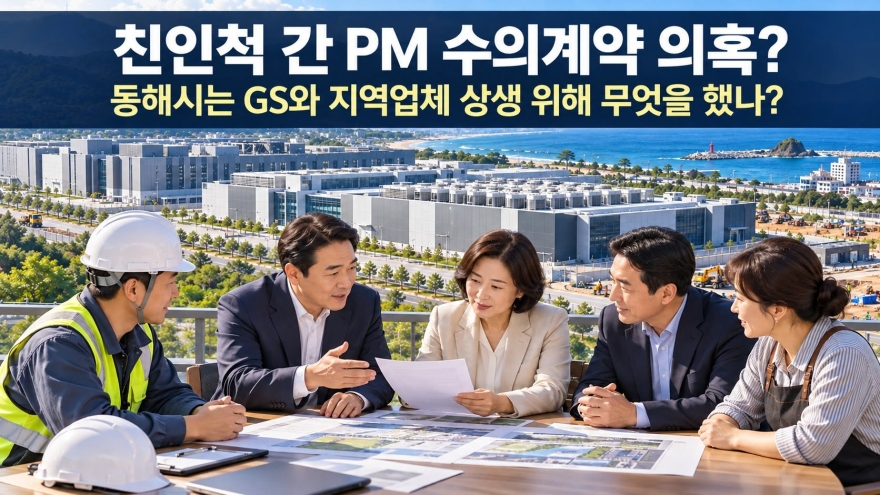
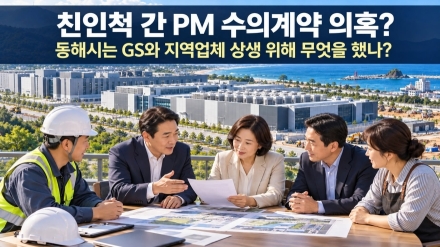
동해 AIDC 지역상생, 특정 업체 추천보다 ‘만남의 장’이 먼저다
요약 | 동해 AI 데이터센터 사업과 관련해 지역업체들이 원하는 것은 특정 업체의 수주 보장이 아니다. 시장이 GS와 지역의 자격 있는 업체 사이에 만남과 정보 공유의 기회를 마련해, 공정한 참여 가능성을 찾도록 돕는 일이다. 관련 계약이 이미 마무리됐다는 제보가 나온 가운데, 착공을 앞두고 동해시는 법정 제... -
동해시 묵호동·시흥시 배곧1동, 주민자치 교류 ‘맞손’
동해시 묵호동이 시흥시 배곧1동 주민자치회와 주민자치 교류 활성화를 위한 자매결연 협약을 체결했다. 사진/묵호동제공 최근 묵호동 행정복지센터에서 열린 협약식에는 양 지역 주민자치 조직과 동장 등 관계자 30여 명이 참석해 뜻깊은 자리를 가졌다. 이번 협약을 통해 양 단체는 ▲지역 대표 축... -
동해시, 2027년 제21기 청소년참여위원회 신규 위원 모집
동해시는 오는 11월 4일부터 20일까지 ‘2027년 제21기 동해시청소년참여위원회’에서 활동할 신규 위원을 모집한다. 「청소년 기본법」에 근거해 운영되는 청소년참여위원회는 청소년들이 지역 정책 수립과 의사결정 과정에 주도적으로 참여해 다양한 의견을 제안하고 자문하는 청소년 참여기구다. 특히 2027년에는 ... -
동해시, 고병원성 AI 등 가축전염병 차단 ‘생석회’ 지원 11월 10일까지 신청 접수
동해시가 겨울철 고병원성 조류인플루엔자(AI) 등 가축전염병 유입을 선제적으로 차단하기 위해 ‘방역용 생석회 지원 사업’을 추진하고, 오는 11월 10일까지 신청을 받는다. 최근 주변국에서 고병원성 AI 항원이 검출되고 겨울철새가 도래함에 따라 국내 발생 위험이 커짐에 따라, 시는 축산농가의 철저한 차단 방역을...